
Call us now :07971258306
 Send Inquiry
 Send Inquiry
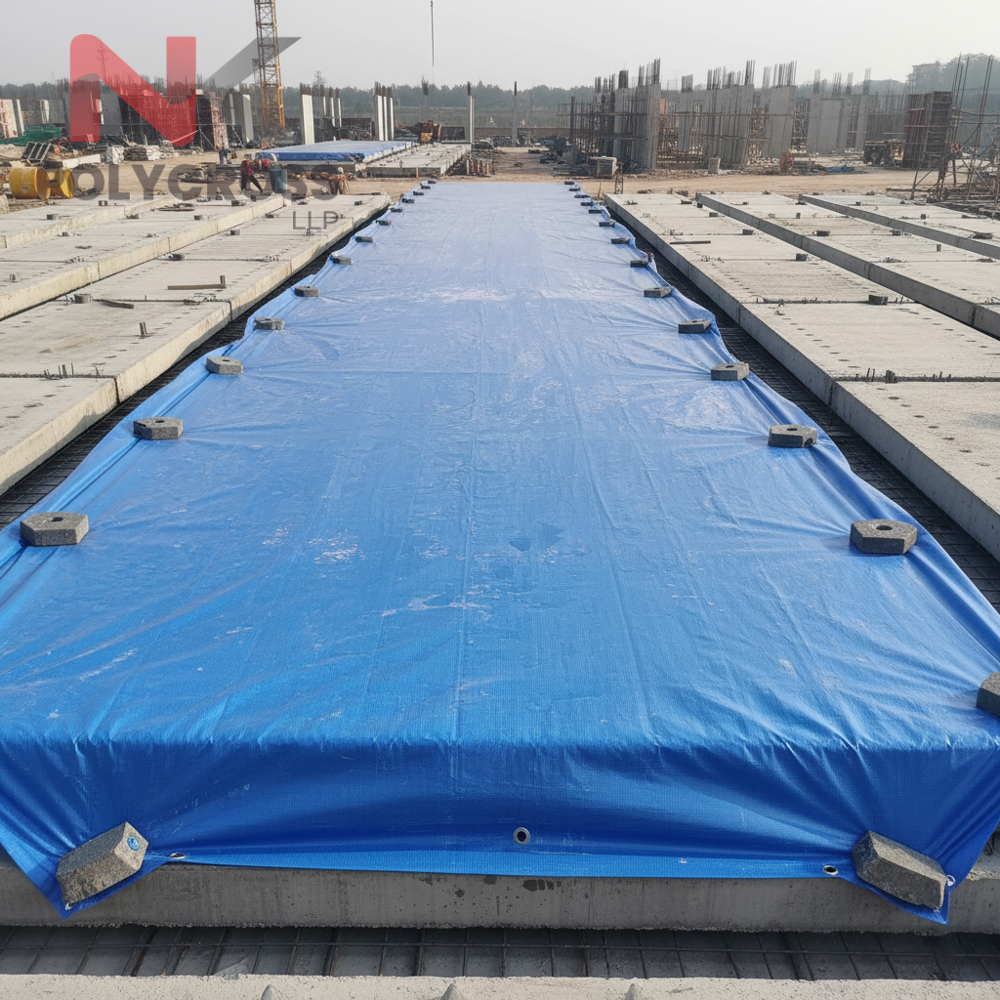
RCC Cover Sheet
Price 150.0 INR/ Piece
MOQ : 500 Kilograms
RCC Cover Sheet Specification
- GSM
- 90/120/150/200
- Material
- LDPE/LLDPE
- Application
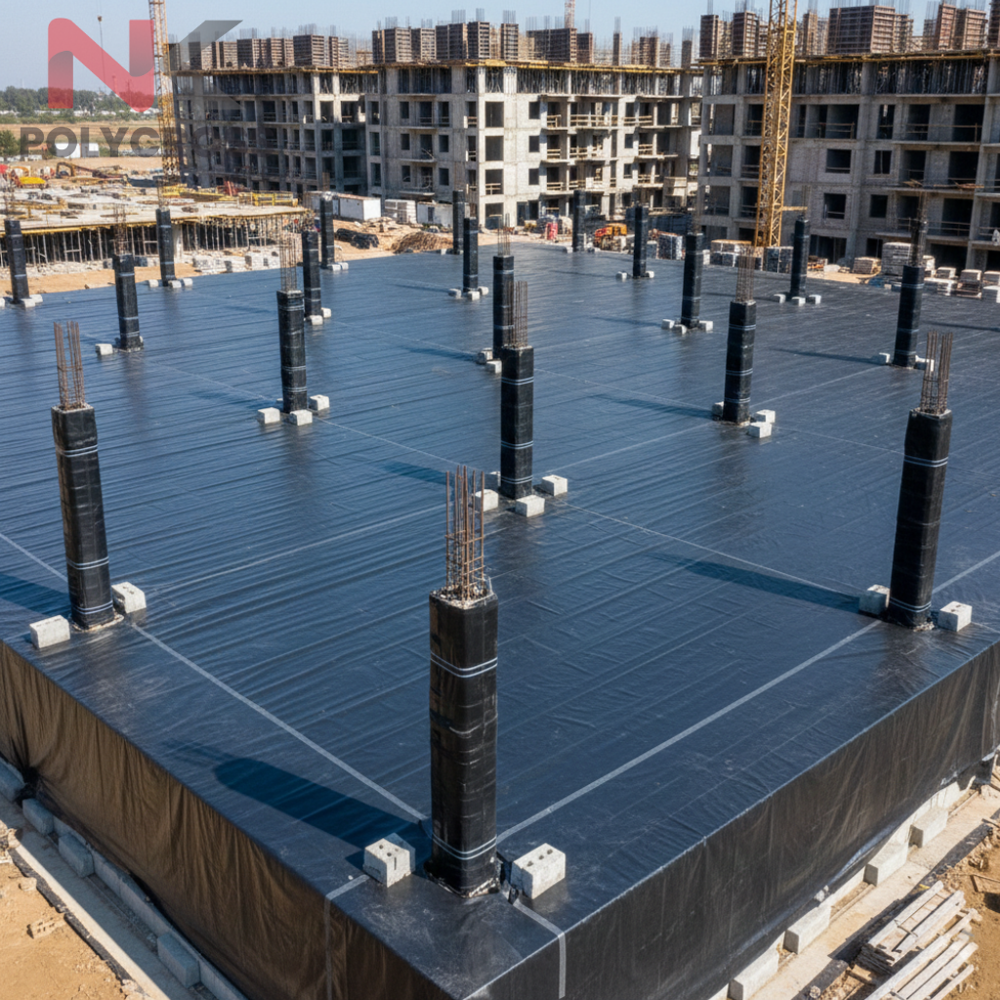
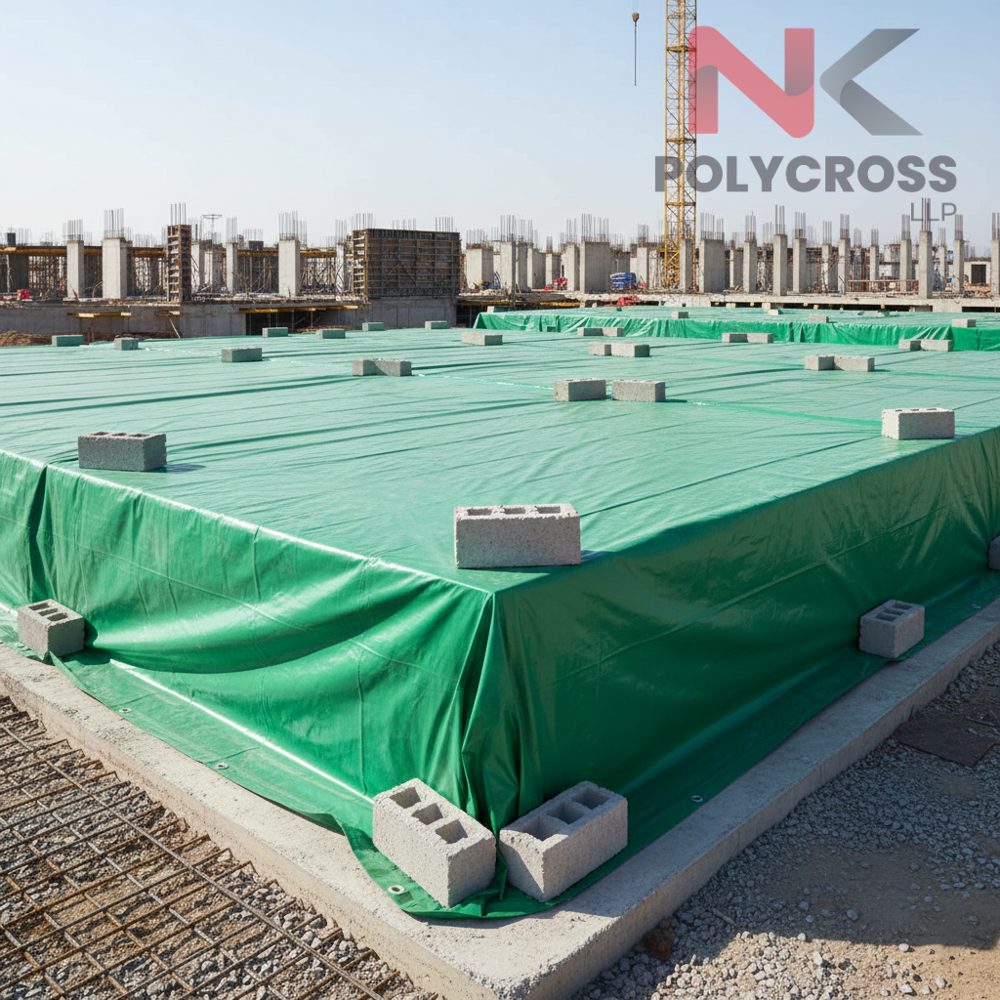
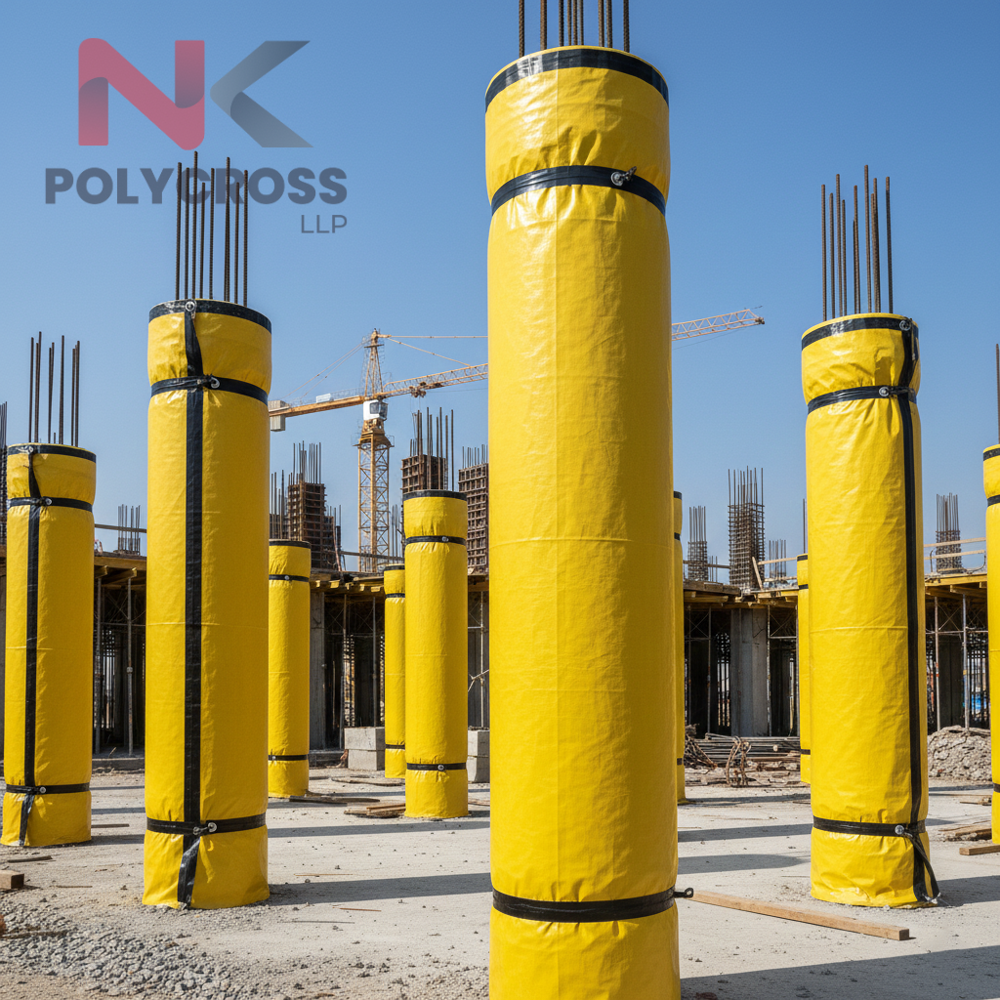
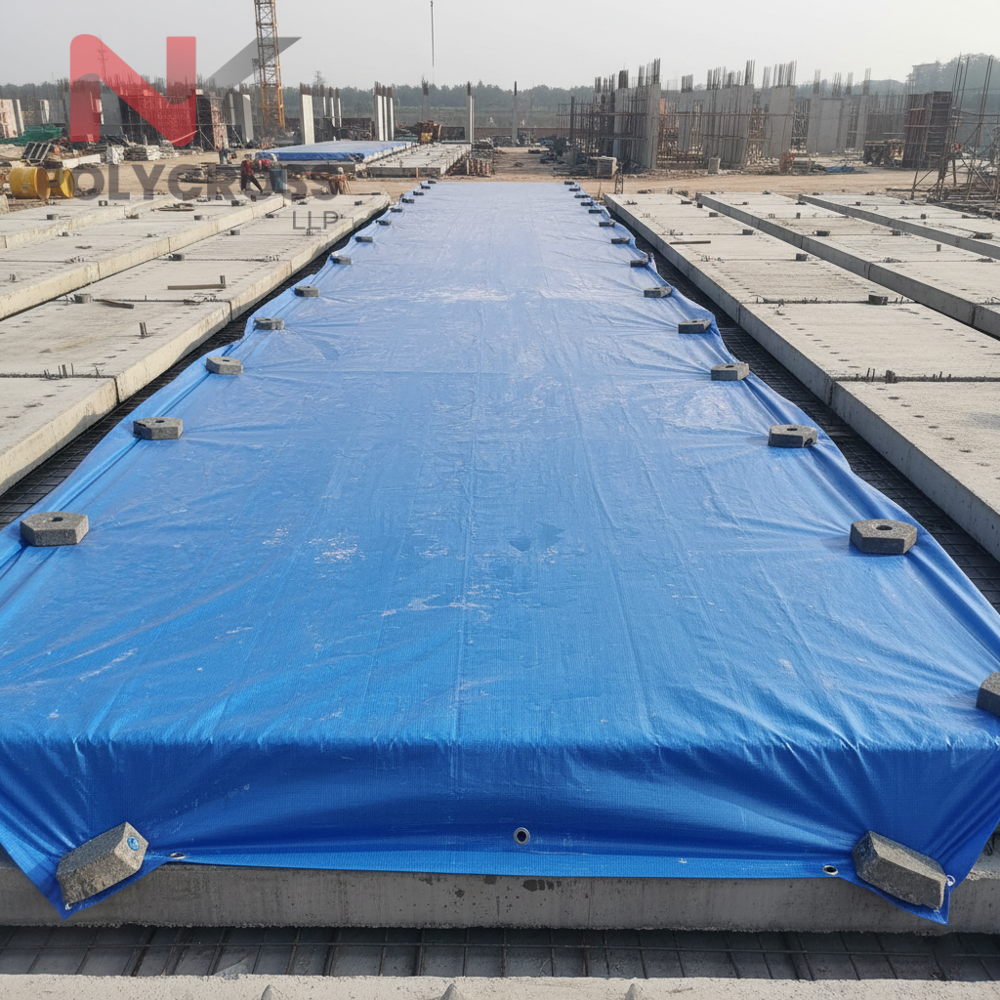
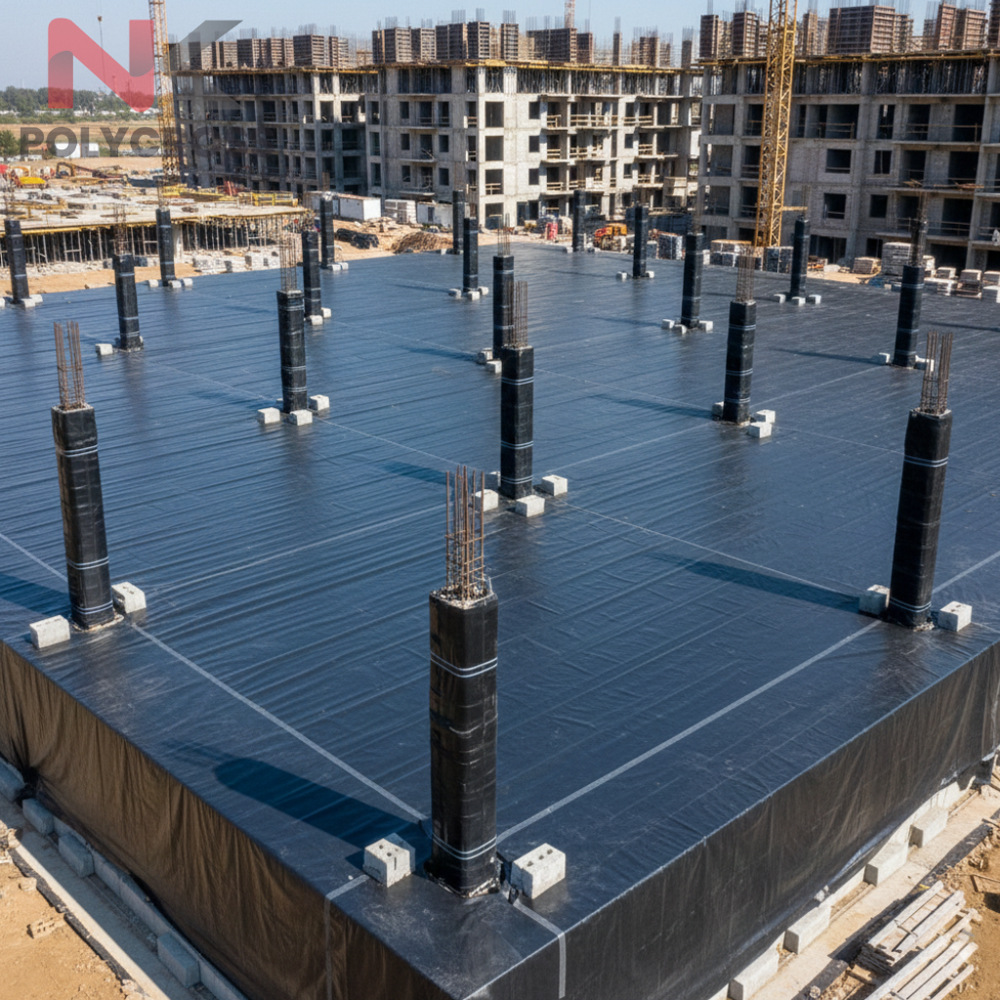
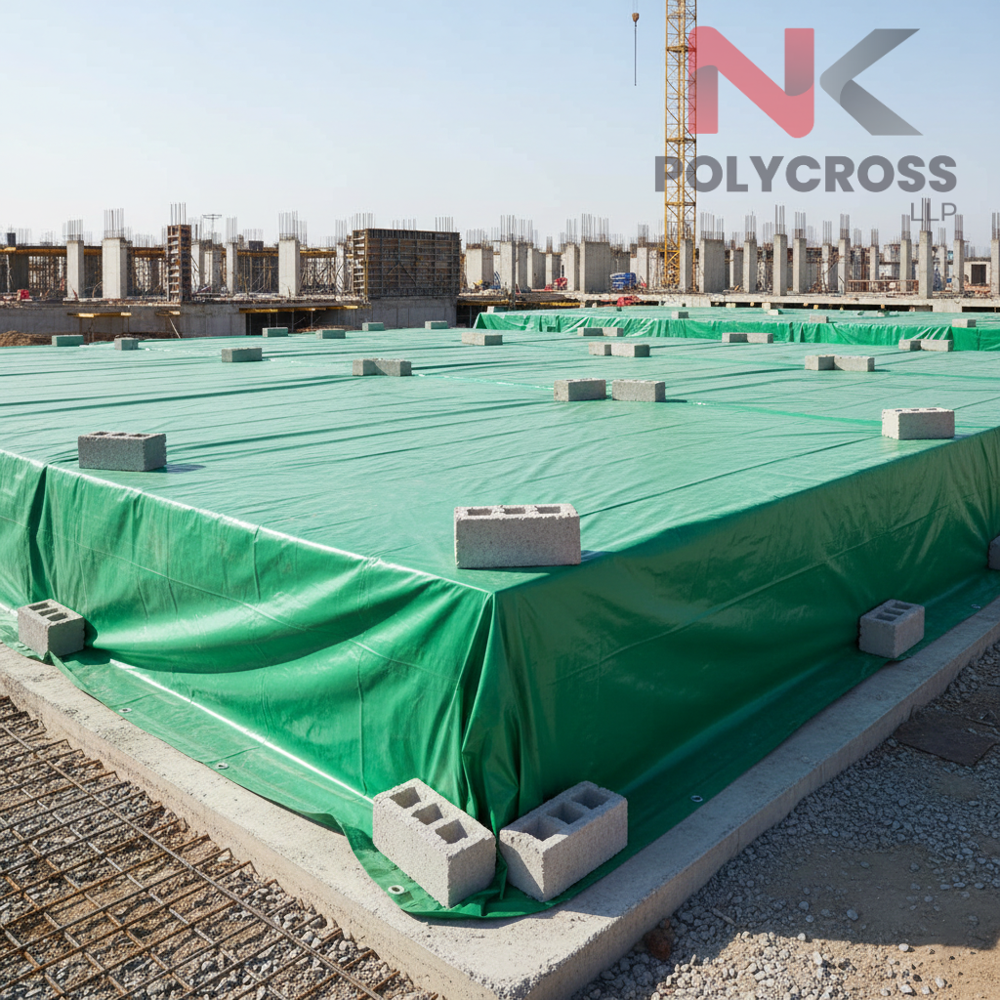
- Covering freshly poured RCC slabs Concrete curing protection Construction material covering Site surface protection Temporary weather shielding at construction sites
- Width
- as per requirement Foot (ft)
- Fabric Type
- Multi- layer women + lamination
- Usage & Applications
- Covering freshly poured RCC slabs Concrete curing protection Construction material covering Site surface protection Temporary weather shielding at construction sites
- Color
- Blue/Yellow
- Length
- as per requirement Foot (ft)
- Tent Style
- Other
- Technique
- Laminated
- Layer
- Triple
- Pole Material
- Other
- Usage
- Other
- Size
- as per requirement
- Design Type
- Standard
RCC Cover Sheet Trade Information
- Minimum Order Quantity
- 500 Kilograms
- FOB Port
- mundra
- Payment Terms
- Cash Advance (CA), Cash in Advance (CID)
- Supply Ability
- 500000 Kilograms Per Month
- Delivery Time
- 12 Days
- Sample Available
- No
- Sample Policy
- Contact us for information regarding our sample policy
- Packaging Details
- STANDARD BAG
- Main Export Market(s)
- Asia, Australia, Central America, North America, South America, Eastern Europe, Western Europe, Middle East, Africa
- Main Domestic Market
- All India
- Certifications
- ISO/IEC
RCC Cover Sheet About
RCC Cover Sheet Heavy Duty Protection for Construction Surfaces
Product Overview:
Our RCC Cover Sheet is a high-strength protective sheet specially designed for Reinforced Cement Concrete (RCC) work at construction sites. Manufactured from durable HDPE woven fabric with LDPE lamination, this sheet provides reliable protection to freshly cast concrete surfaces against rain, dust, sunlight, and external damage. It helps maintain proper curing conditions and prevents surface cracks, ensuring better structural strength.
Key Features:
-
Waterproof Protection: Prevents rainwater and moisture from damaging RCC surfaces.
-
UV Stabilized: Suitable for prolonged outdoor construction use.
-
Strong & Tear Resistant: Withstands rough site handling and heavy-duty usage.
-
Weather Resistant: Protects from sun, wind, and dust.
-
Flexible & Easy to Use: Simple to spread, remove, and reuse.
-
Reinforced Edges: Heat-sealed borders increase durability and life.
Technical Specifications:
-
Material: HDPE Woven Fabric with LDPE Lamination
-
Type: Laminated Protective Sheet
-
GSM Range: 150 1000 GSM (customizable)
-
Colors Available: Blue, Green, Black, Silver, Yellow
-
UV Protection: Yes
-
Sizes: Custom sizes available
Applications:
-
Covering freshly poured RCC slabs
-
Concrete curing protection
-
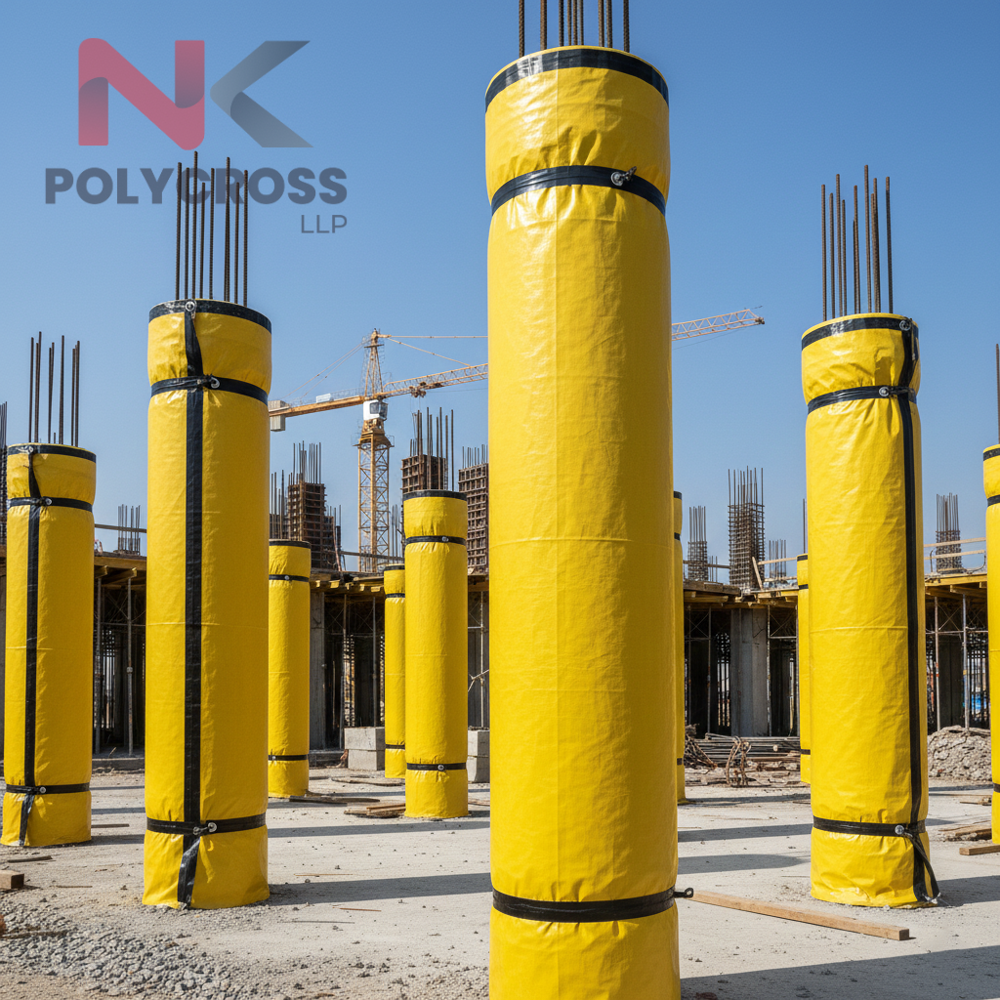
Construction material covering
-
Site surface protection
-
Temporary weather shielding at construction sites
Benefits:
-
Improves concrete curing quality
-
Prevents surface cracks and damage
-
Reusable and cost-effective solution
-
Long service life in tough site conditions
Packaging & Supply:
-
Roll or folded packing
-
Bulk supply available
-
Secure packaging for transport
Optimal Protection for Concrete Works
RCC Cover Sheets offer robust protection for freshly poured concrete by preserving moisture levels during the curing process. Their triple-layer structure ensures minimal damage from weather extremes and accidental spills, making them indispensable on construction sites. Superior lamination prevents seepage and enhances durability, safeguarding both materials and surfaces.
Versatility for Multiple Applications
These cover sheets seamlessly adapt to diverse site requirements, whether it's shielding unfinished RCC slabs, protecting stored construction materials, or providing temporary site surface coverage during adverse weather. Their customizable sizes and GSM levels make them suitable for projects of any scale or location across India.
FAQ's of RCC Cover Sheet:
Q: How does the RCC Cover Sheet aid in concrete curing protection?
A: The RCC Cover Sheet maintains optimal moisture levels on freshly poured RCC slabs by forming a protective barrier, which helps prevent premature drying and ensures proper curing. This results in higher durability and strength of the concrete.Q: What materials are used in manufacturing the RCC Cover Sheet?
A: The cover sheets are crafted from LDPE/LLDPE with a multi-layer woven base and laminated finish. Their triple-layered construction provides high tensile strength and resistance to tearing, making them suitable for heavy-duty applications.Q: When should the RCC Cover Sheet be applied during the construction process?
A: The sheet should be immediately placed over newly poured RCC slabs to safeguard them against direct sunlight, rain, and debris during the critical curing period and to protect other construction materials as needed.Q: Where can these RCC Cover Sheets be sourced from?
A: These sheets are widely available through exporters, manufacturers, suppliers, and traders across India. Custom sizes, colors (blue/yellow), and GSM options can also be ordered to fit specific project requirements.Q: What is the process for installing RCC Cover Sheets on site?
A: Installation involves laying the sheet evenly across the surface to be protected, ensuring edges are securely tucked or weighted down to prevent displacement. The laminated surface allows for easy handling and repositioning as required by site conditions.Q: What benefits do multi-layer laminated RCC Cover Sheets offer?
A: Multi-layer laminated design provides superior weather resistance, durability, and reliable protection against water seepage, dust, and UV exposure. They extend the life of construction materials and prevent environmental damage during storage or construction.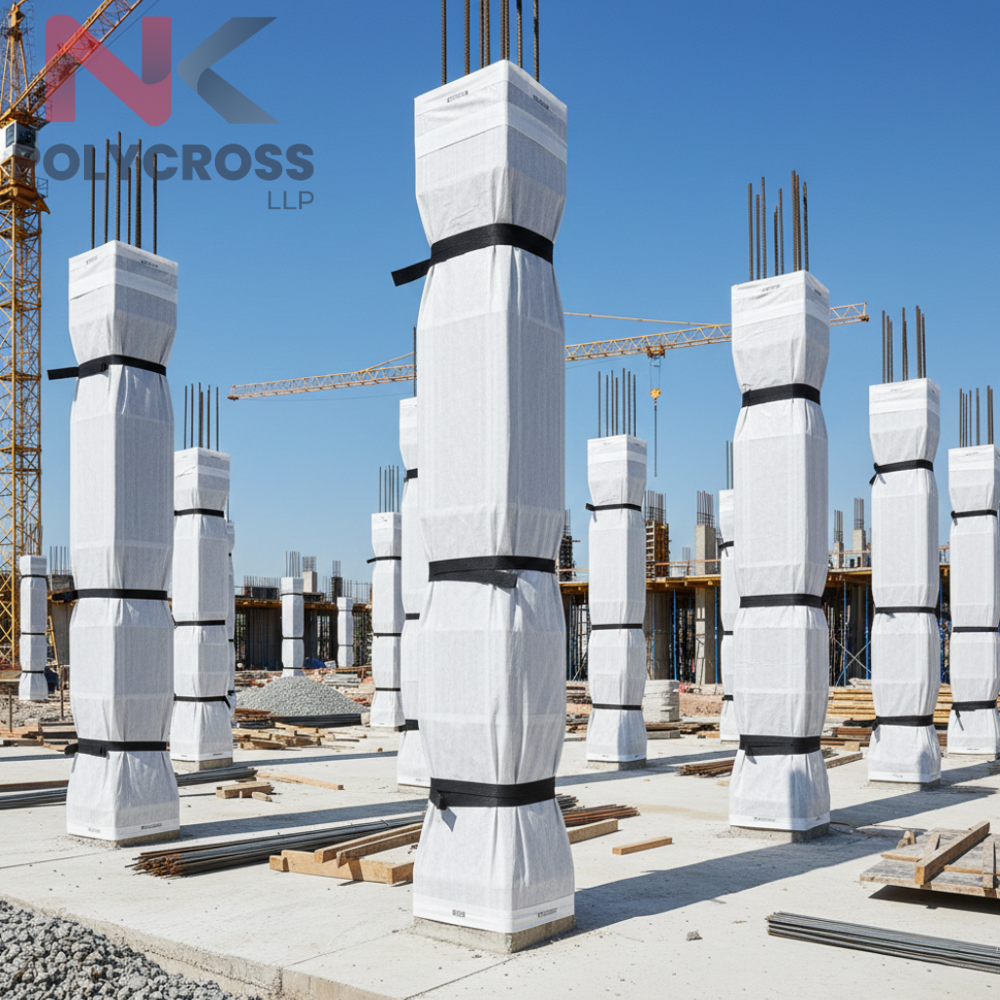
Tell us about your requirement

Price:
Quantity
Select Unit
- 50
- 100
- 200
- 250
- 500
- 1000+
Additional detail
Mobile number
Email

More Products in Multilayer Tarpaulin And Cover Category
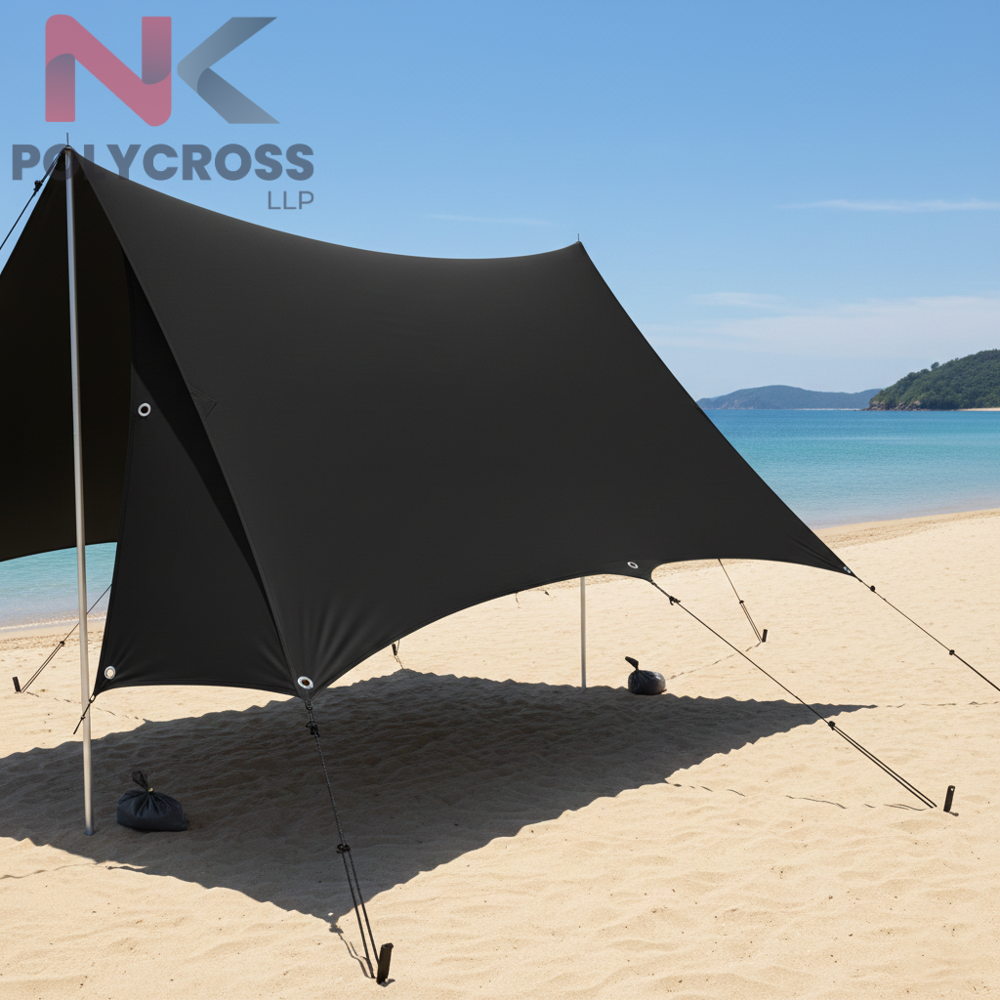
Beach Tent Fabric
Price 150.0 INR / Kilograms
Minimum Order Quantity : 500 Kilograms
Material : Cross Laminated
Technique : Laminated
Size : as per requirement
Tent Style : Other
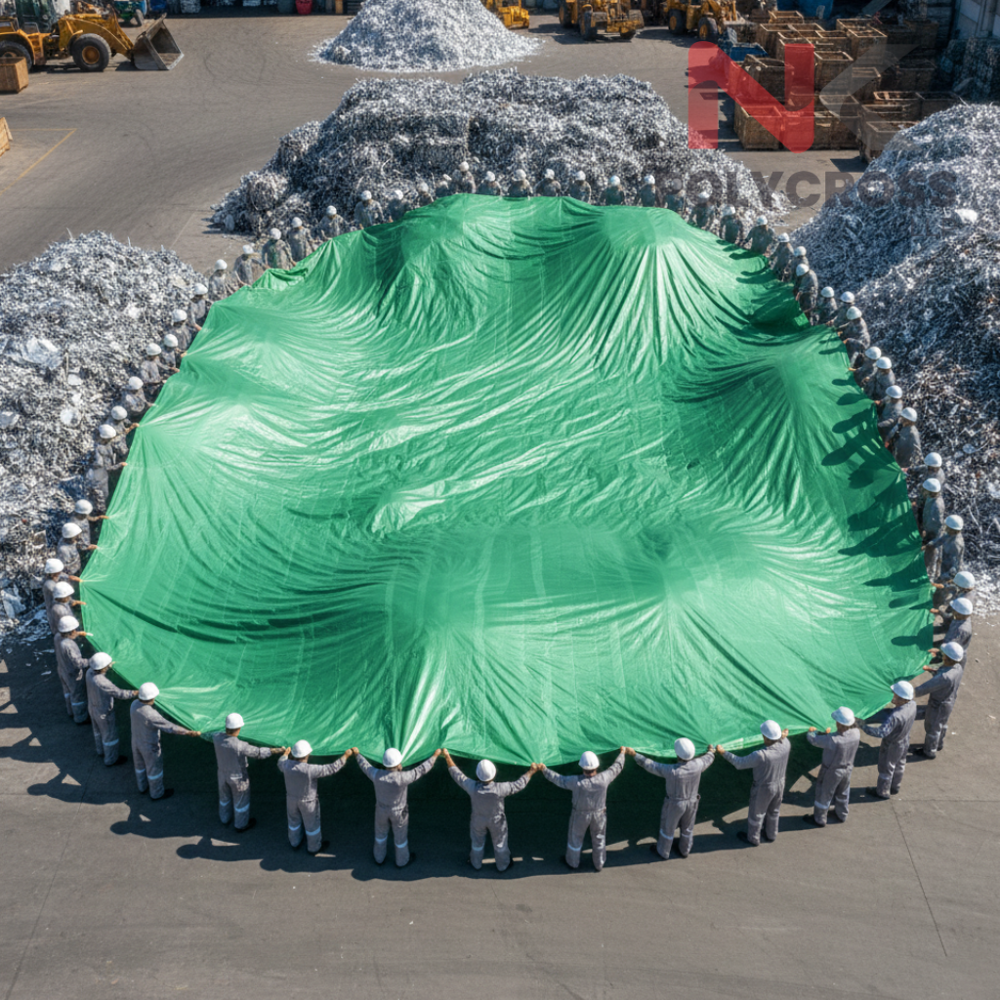
Aluminum Scrap Cover
Price 250.0 INR / Kilograms
Minimum Order Quantity : 500 Kilograms
Material : Cross Laminated
Technique : Laminated
Size : as per requirement
Tent Style : Other
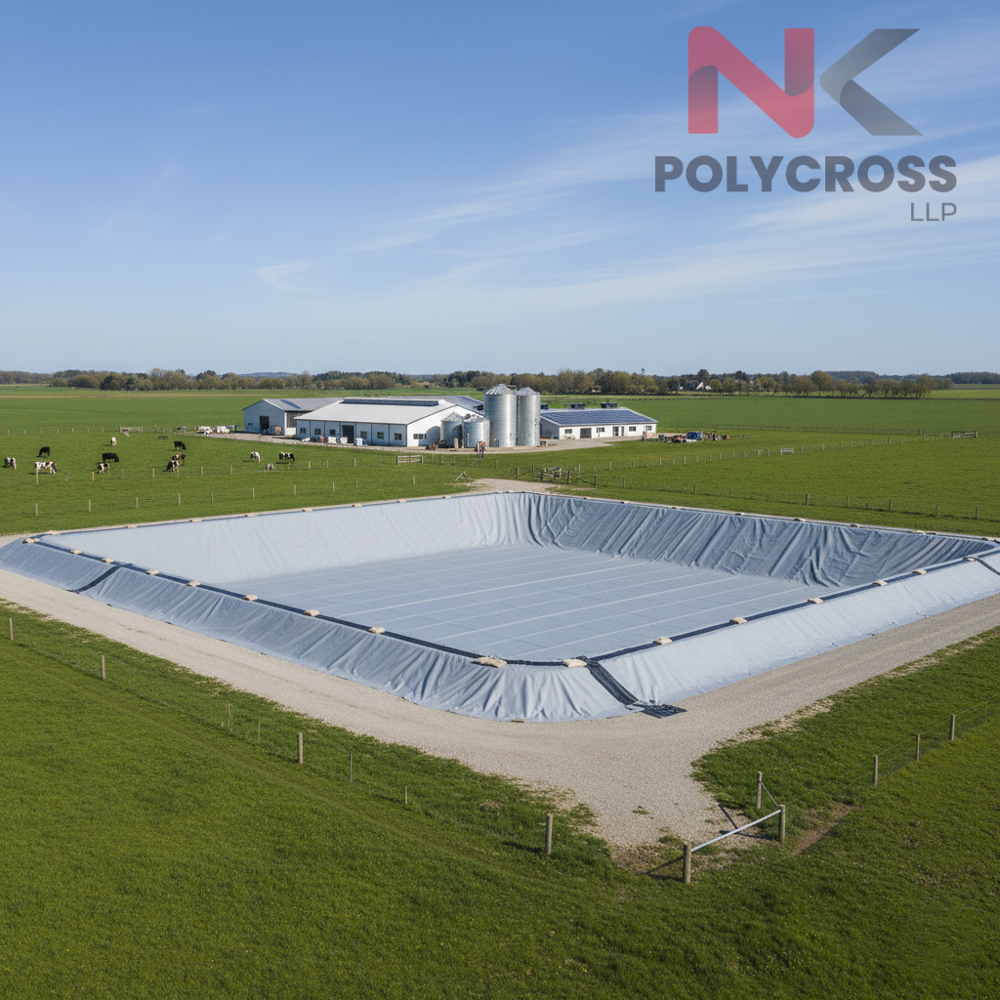
Poultry Waste Cover
Price 250.0 INR
Minimum Order Quantity : 500 Kilograms
Material : Cross Laminated
Technique : Laminated
Size : as per requirement
Tent Style : Other
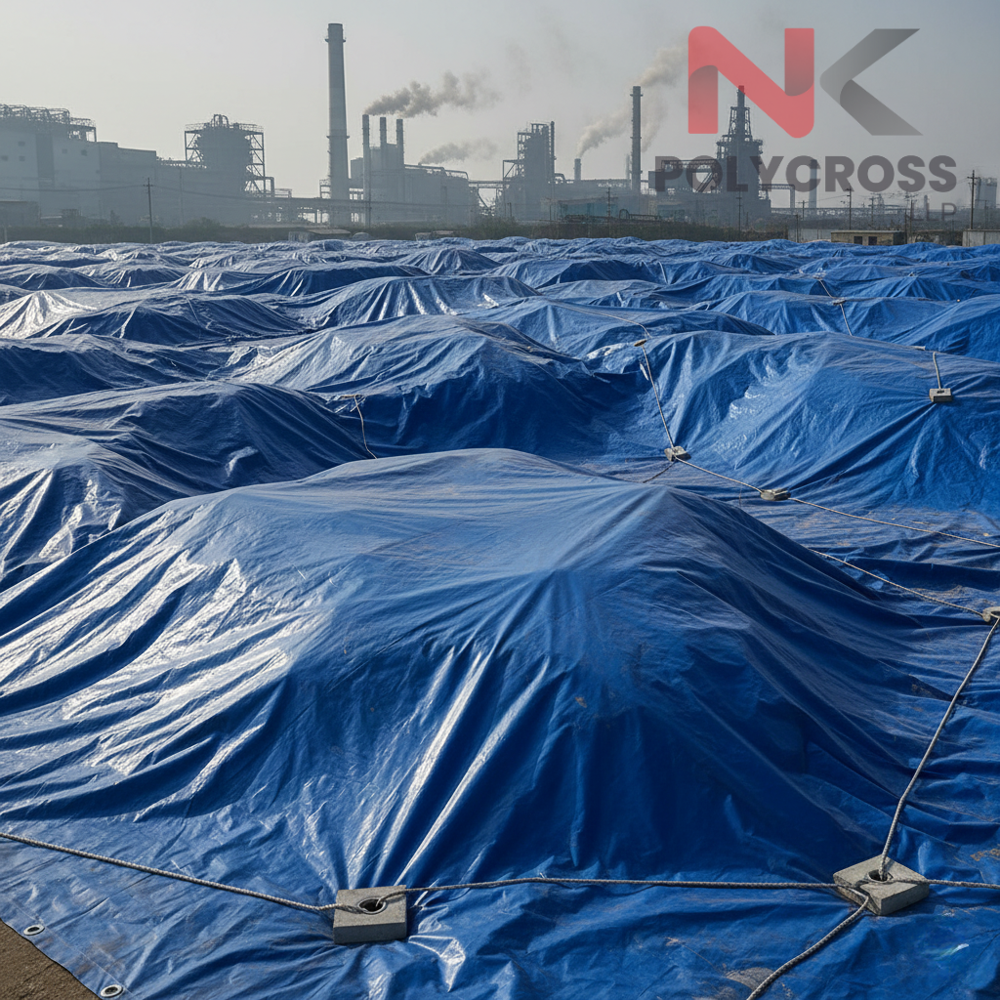
Power Plant Material Cover
Price 150.0 INR / Kilograms
Minimum Order Quantity : 500 Kilograms
Material : Cross Laminated
Technique : Laminated
Size : as per requirement
Tent Style : Other

 Send Inquiry
Our Products


Plot B Survey No 374, Near Ramdev Food, Rupal Road, Zekda, Bavla,Ahmedabad - 382220, Gujarat, India

Mr Dilip Patel
(Partner)
Mobile :07971258306
 Send Inquiry
 Send SMS
Developed and Managed by Infocom Network Private Limited.
 English
 Spanish
 French
 German
 Italian
 Chinese (Simplified)
 Japanese
 Korean
 Arabic
 Portuguese