Call us now :07971258306
 Send Inquiry
 Send Inquiry
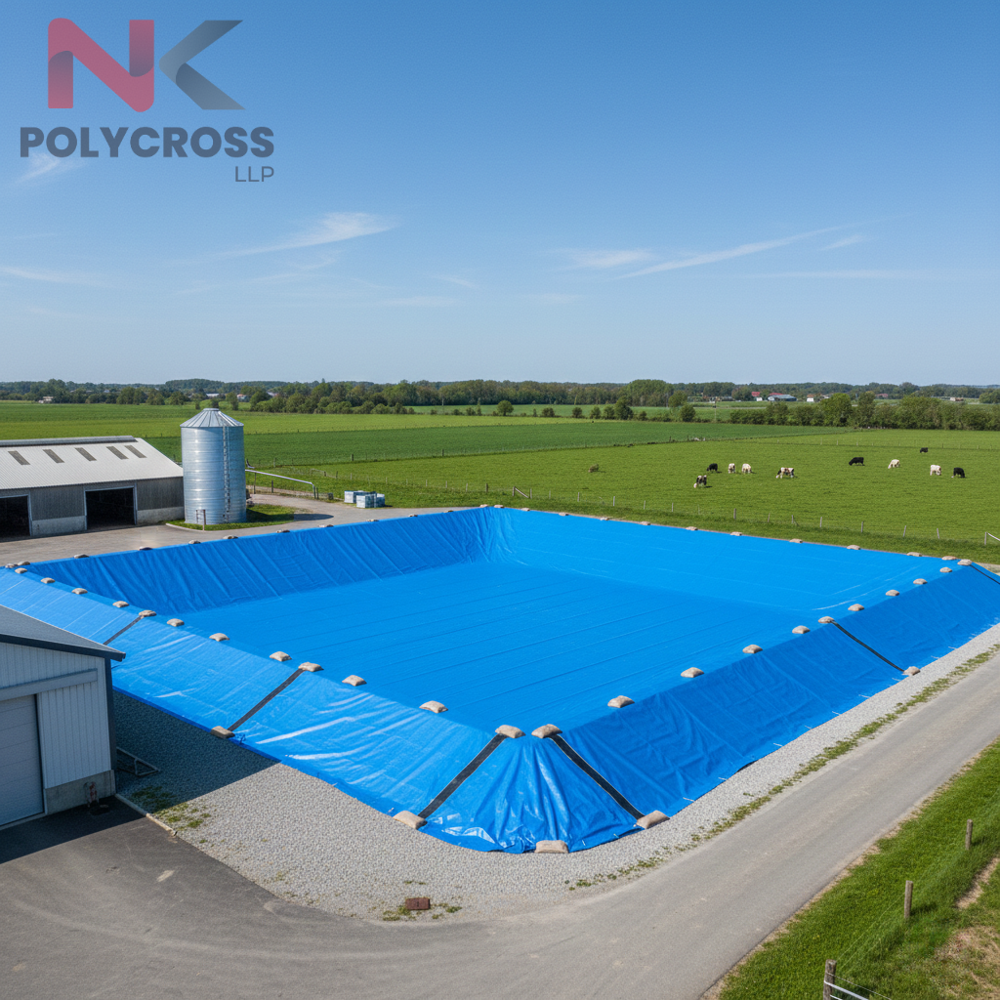
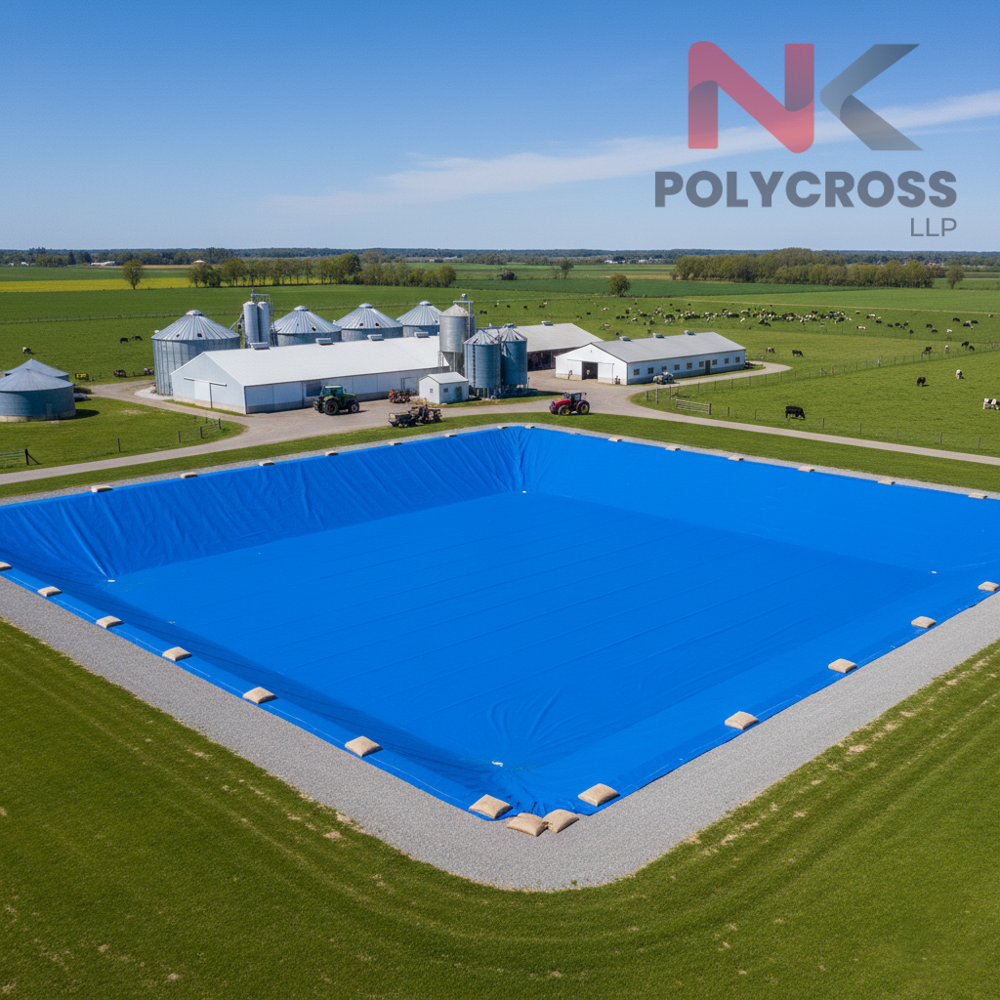
Dairy Farm Waste Liner
MOQ : 500 Kilograms
Dairy Farm Waste Liner Specification
- Usage & Applications
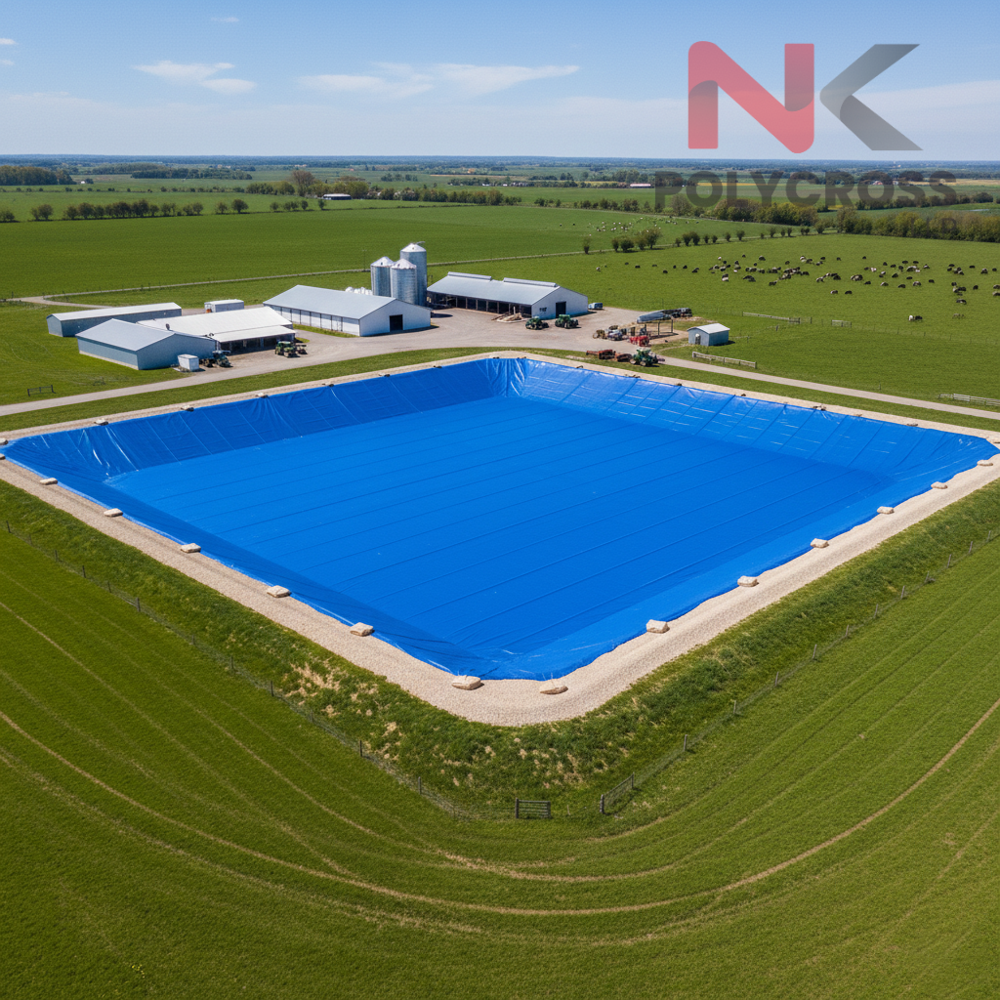
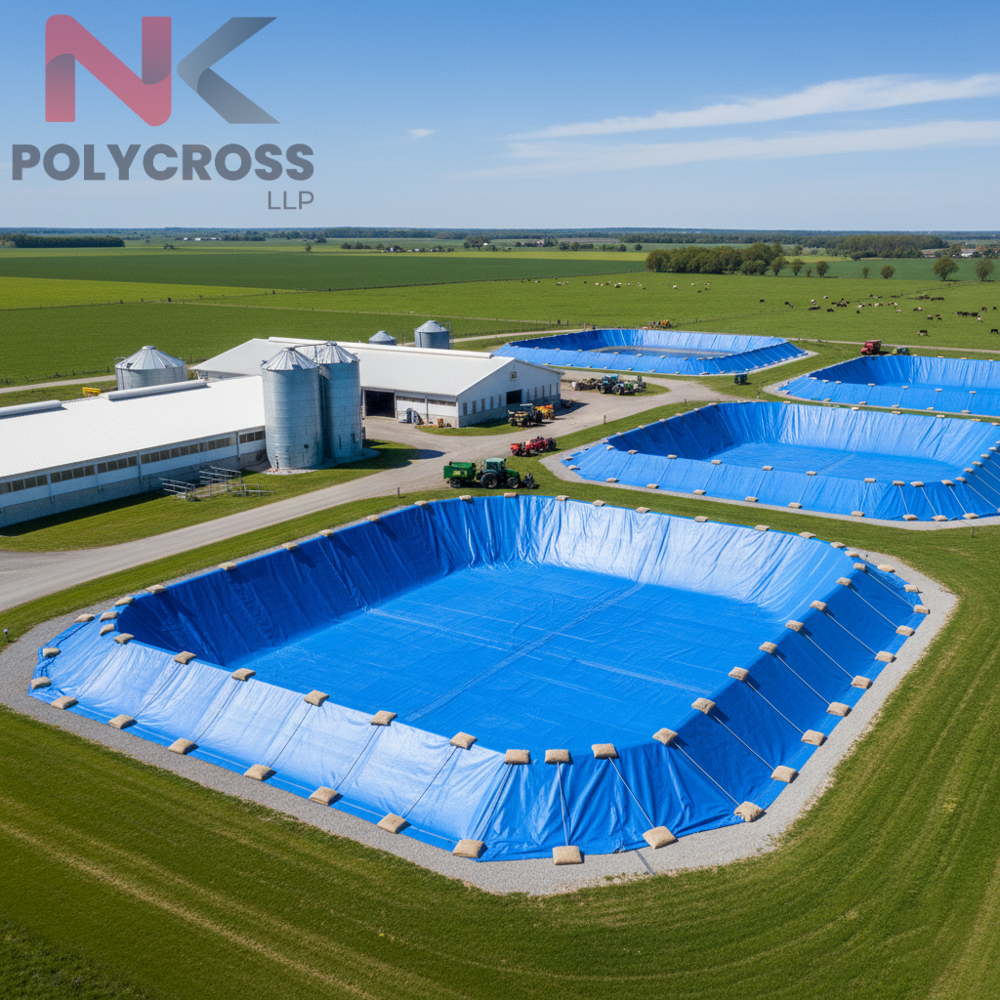
- Manure Storage Pits Slurry Collection Tanks Effluent Treatment Ponds Silage Pit Lining Biogas Slurry Pits Dairy Wastewater Lagoons
- Material
- Cross Laminated
- Application
- Manure Storage Pits Slurry Collection Tanks Effluent Treatment Ponds Silage Pit Lining Biogas Slurry Pits Dairy Wastewater Lagoons
- Length
- as per requirement Foot (ft)
- Fabric Type
- mlcl
- GSM
- 70/90/120/150/200
- Width
- as per requirement Foot (ft)
- Color
- BLUE,YELLOW,NATURAL,GREEN,BLACK/SILVER
- Tent Style
- Other
- Technique
- Laminated
- Layer
- Triple
- Pole Material
- Other
- Size
- as per requirement
- Design Type
- Standard
Dairy Farm Waste Liner Trade Information
- Minimum Order Quantity
- 500 Kilograms
- FOB Port
- mundra
- Payment Terms
- Cash Advance (CA), Cash in Advance (CID)
- Supply Ability
- 500000 Kilograms Per Month
- Delivery Time
- 12 Days
- Sample Available
- No
- Sample Policy
- Contact us for information regarding our sample policy
- Packaging Details
- STANDARD BAG
- Main Export Market(s)
- Eastern Europe, Middle East, Asia, South America, Africa, Australia, Central America, North America, Western Europe
- Main Domestic Market
- All India
- Certifications
- ISO/IEC
About Dairy Farm Waste Liner
Dairy Farm Waste Liner Product Details (Trade India Format)
Product Name: Dairy Farm Waste Liner
Material: HDPE / LDPE / LLDPE (Virgin & Reprocessed Options Available)
GSM Range: 70300 GSM
Thickness: 100500 Micron
Color: Black / Blue / Black-White
Width: Up to 6 meters (Custom Size Available)
Length: As per Requirement (25m, 50m, 100m Rolls or Customized)
Layer Type: Single Layer / Multi-Layer Laminated
UV Stabilized: Yes
Waterproof: 100% Waterproof
Temperature Resistance: -20C to +70C
Product Description:
Dairy Farm Waste Liner is specially designed for lining manure pits, slurry storage tanks, silage pits, and wastewater lagoons in dairy farms. It prevents seepage of liquid waste into soil, protecting groundwater from contamination. The liner provides excellent resistance to chemicals, animal waste acids, and environmental stress cracking.
Key Features:
-
High tensile strength
-
Leak-proof and puncture resistant
-
UV stabilized for outdoor use
-
Resistant to animal waste chemicals
-
Easy installation and low maintenance
-
Long service life
Applications:
-
Manure Storage Pits
-
Slurry Collection Tanks
-
Effluent Treatment Ponds
-
Silage Pit Lining
-
Biogas Slurry Pits
-
Dairy Wastewater Lagoons
Advantages:
-
Prevents soil and groundwater contamination
-
Reduces foul odor seepage
-
Cost-effective waste management solution
-
Suitable for small and large dairy farms
Packaging:
Roll form with plastic wrapping and labeling as per customer requirement.
Supply Ability:
Bulk quantity available across India.
Triple-Layer Cross-Laminated Strength
These waste liners feature a unique triple-layer cross-laminated construction, delivering exceptional resistance against punctures and abrasions, even in heavy-duty applications. The durable technique ensures long-lasting containment, making them ideal for demanding dairy farm environments.
Customizable Size and GSM Options
Available in a variety of widths, lengths, and GSMs (70-200), these liners can be tailored to fit the precise needs of any manure storage pit or treatment pond. This flexibility allows dairy farms to optimize their waste management setup efficiently and effectively.
Wide Range of Application Uses
Designed for manure storage pits, slurry collection tanks, effluent treatment ponds, silage pit lining, biogas slurry pits, and dairy wastewater lagoons, these liners are versatile enough to address all major dairy waste challenges. Their robust fabrication makes them reliable for both indoor and outdoor usage.
FAQ's of Dairy Farm Waste Liner:
Q: How is the Dairy Farm Waste Liner installed in manure storage pits or treatment ponds?
A: The liner is rolled out over a prepared surface, ensuring it's free from sharp objects. Seams may be heat welded or overlapped depending on site requirements, providing a watertight and secure barrier for waste containment.Q: What makes cross-laminated, triple-layer liners superior to standard liners?
A: Cross-laminated, triple-layer liners offer significantly enhanced tensile strength and puncture resistance compared to single-layer designs, which means better protection against leaks and a longer life under harsh waste-storage conditions.Q: When should a dairy farm consider using a waste liner in effluent ponds or biogas slurry pits?
A: A waste liner should be used whenever there's a need to prevent seepage, protect groundwater, or comply with environmental regulations. Installing liners is crucial from the start of new pond construction or during maintenance upgrades.Q: Where can these liners be applied besides dairy manure storage?
A: Beyond manure storage, these liners are utilized in slurry collection tanks, silage pit lining, effluent treatment ponds, biogas slurry pits, and wastewater lagoons, making them highly versatile across various waste management applications.Q: What is the process for customizing the liner's size and GSM to specific requirements?
A: Customers share their desired dimensions and application needs. The manufacturer then tailors the liner's width, length, and GSM (from 70 to 200), ensuring an exact fit and optimal performance for each unique site.Q: How does using a waste liner benefit a dairy farm operation?
A: Utilizing these liners helps dairy farms control waste effluent, mitigate environmental risks, comply with standards, and prolong the life of storage pits and lagoons by preventing leakage and ground contamination.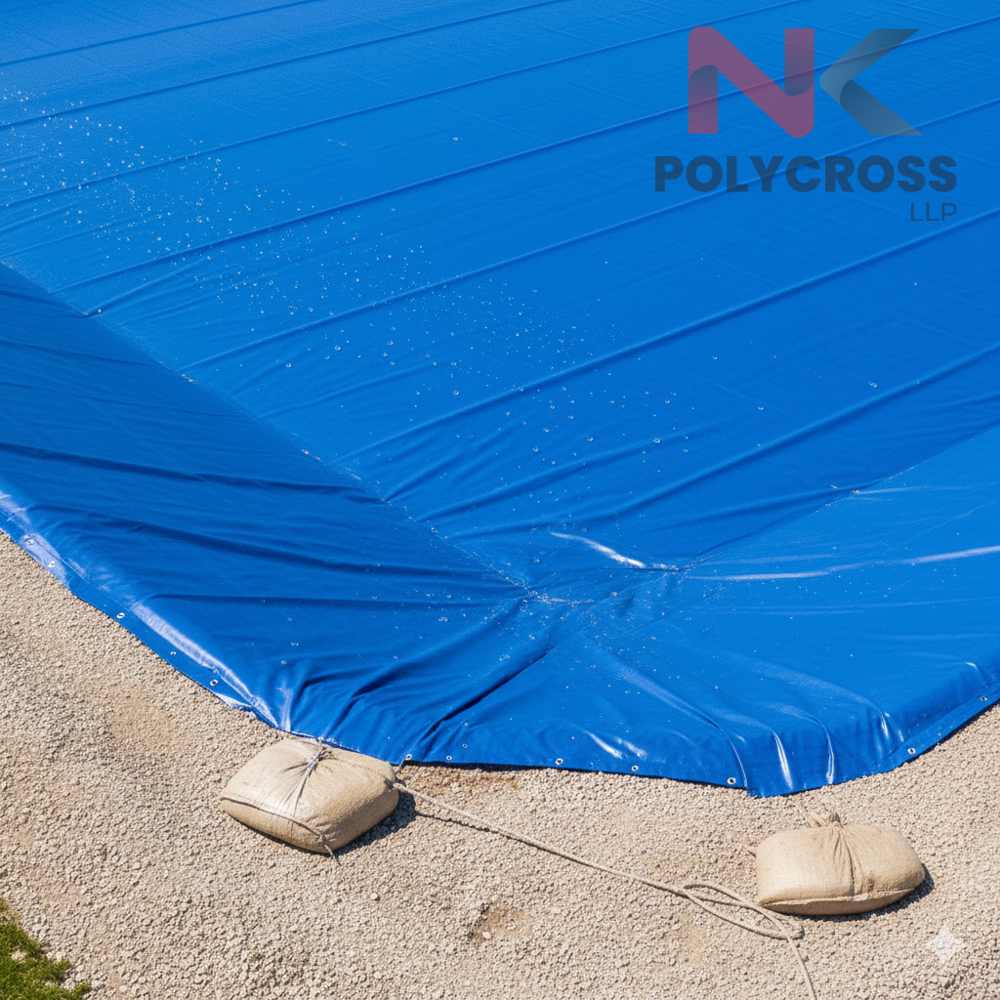
Tell us about your requirement

Price:
Quantity
Select Unit
- 50
- 100
- 200
- 250
- 500
- 1000+
Additional detail
Mobile number
Email

More Products in Multilayer Tarpaulin And Cover Category
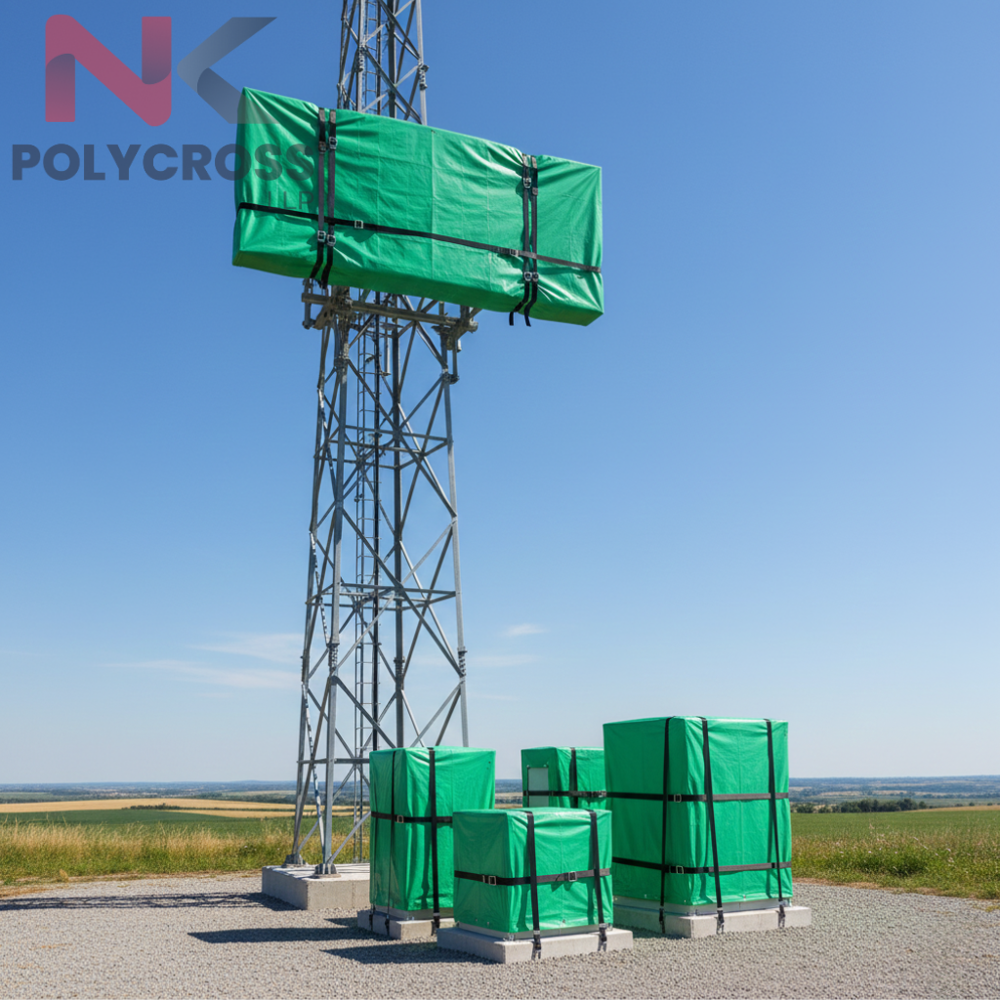
Antenna Cover
Price 150.0 INR / Kilograms
Minimum Order Quantity : 500 Kilograms
Size : as per requirement
Pole Material : Other
Width : as per requirement Foot (ft)
Color : BLUE,YELLOW,NATURAL,GREEN,BLACK/SILVER
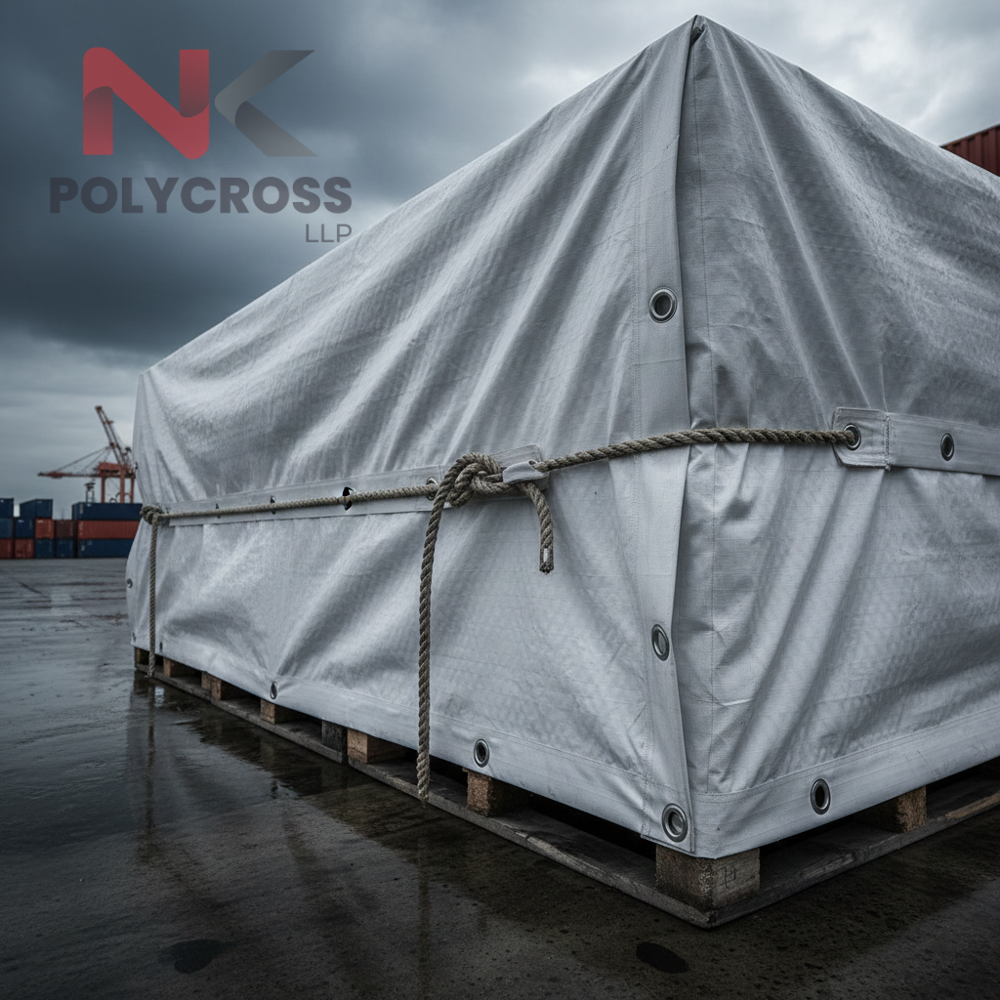
Tear Resistant Tarpaulin
Price 150.0 INR / Kilograms
Minimum Order Quantity : 500 Kilograms
Size : as per requirement
Pole Material : Other
Width : as per requirement Foot (ft)
Color : Blue/Yellow
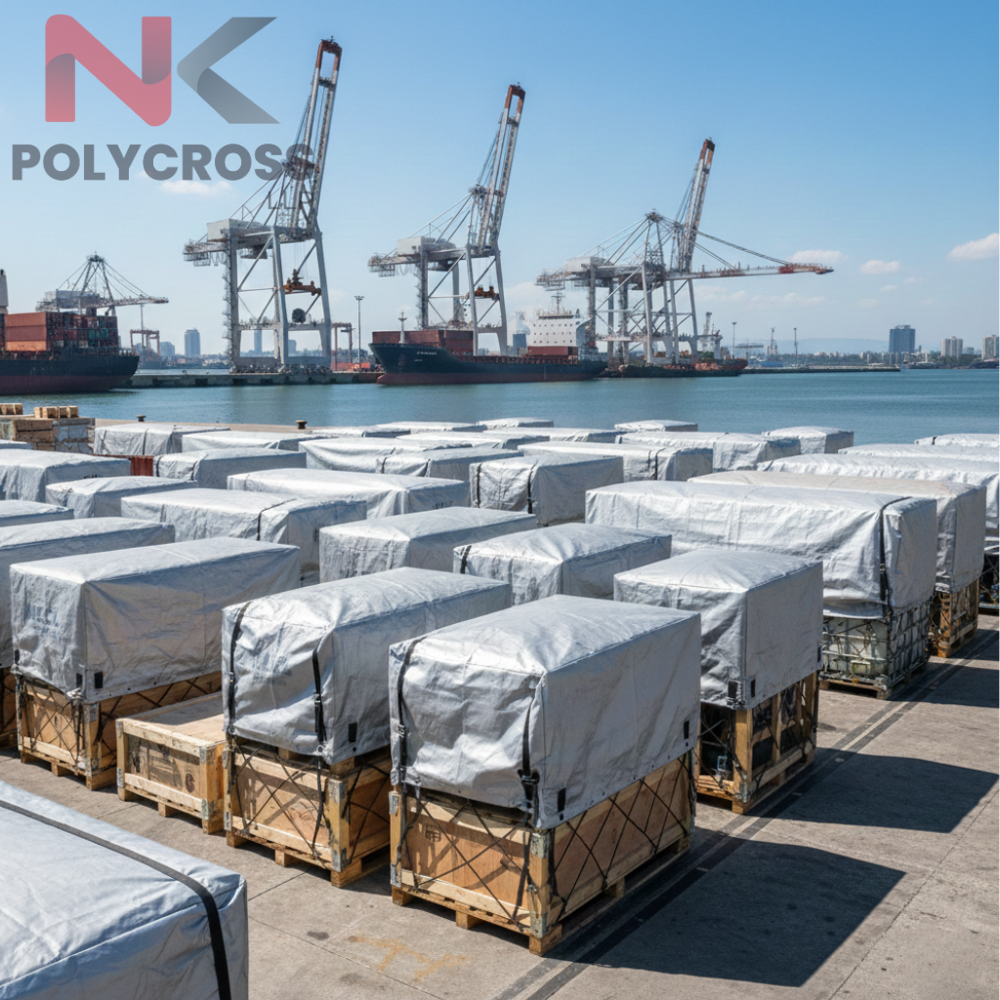
Marine Cargo Cover
Price 150.0 INR / Kilograms
Minimum Order Quantity : 500 Kilograms
Size : as per requirement
Pole Material : Other
Width : as per requirement Foot (ft)
Color : BLUE,YELLOW,NATURAL,GREEN,BLACK/SILVER
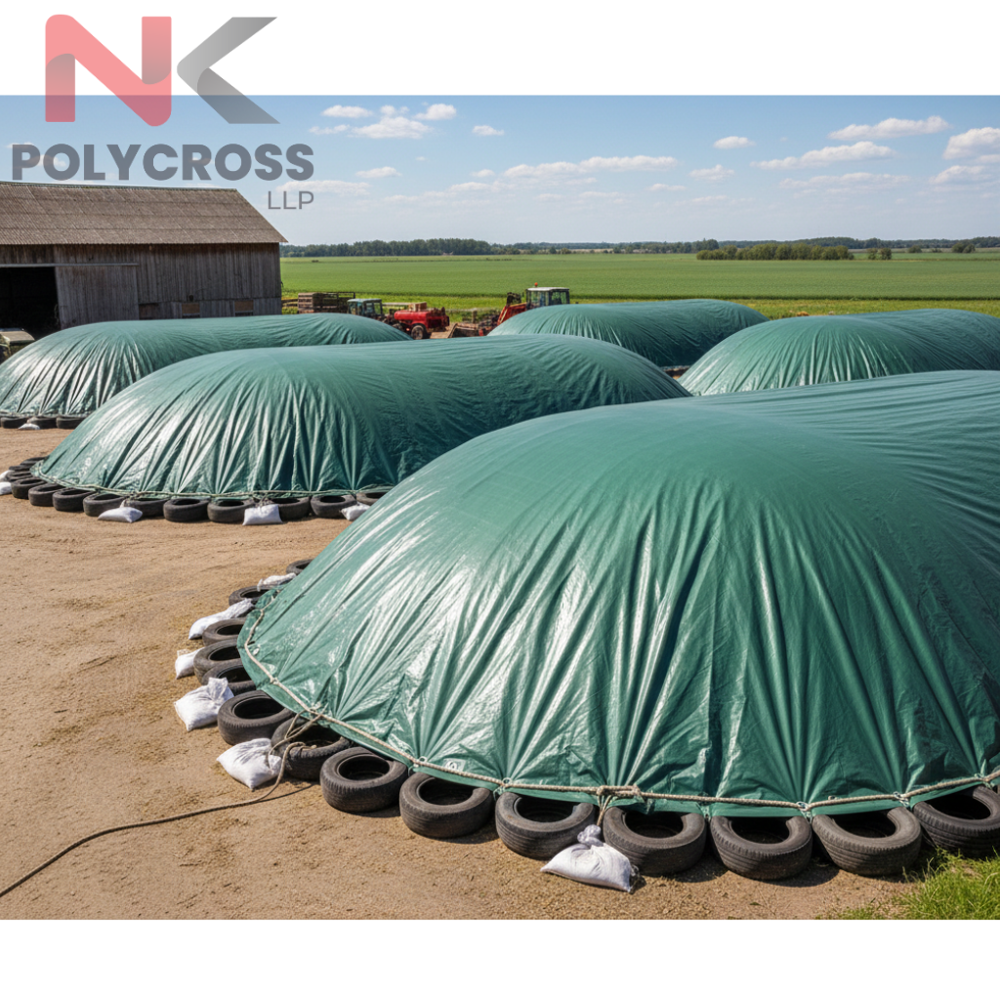
Silage Cover
Price 150.0 INR / Kilograms
Minimum Order Quantity : 500 Kilograms
Size : as per requirement
Pole Material : Other
Width : as per requirement Foot (ft)
Color : Blue/Yellow

 Send Inquiry
Our Products


Plot B Survey No 374, Near Ramdev Food, Rupal Road, Zekda, Bavla,Ahmedabad - 382220, Gujarat, India

Mr Dilip Patel
(Partner)
Mobile :07971258306
 Send Inquiry
 Send SMS
 Call Me Free
Developed and Managed by Infocom Network Private Limited.
 English
 Spanish
 French
 German
 Italian
 Chinese (Simplified)
 Japanese
 Korean
 Arabic
 Portuguese