Call us now :07971258306
 Send Inquiry

 Send Inquiry
Cross Laminated Technology
MOQ : 500 Kilograms
Cross Laminated Technology Specification
- Length
- as per requirement Foot (ft)
- Fabric Type
- mlcl
- Application
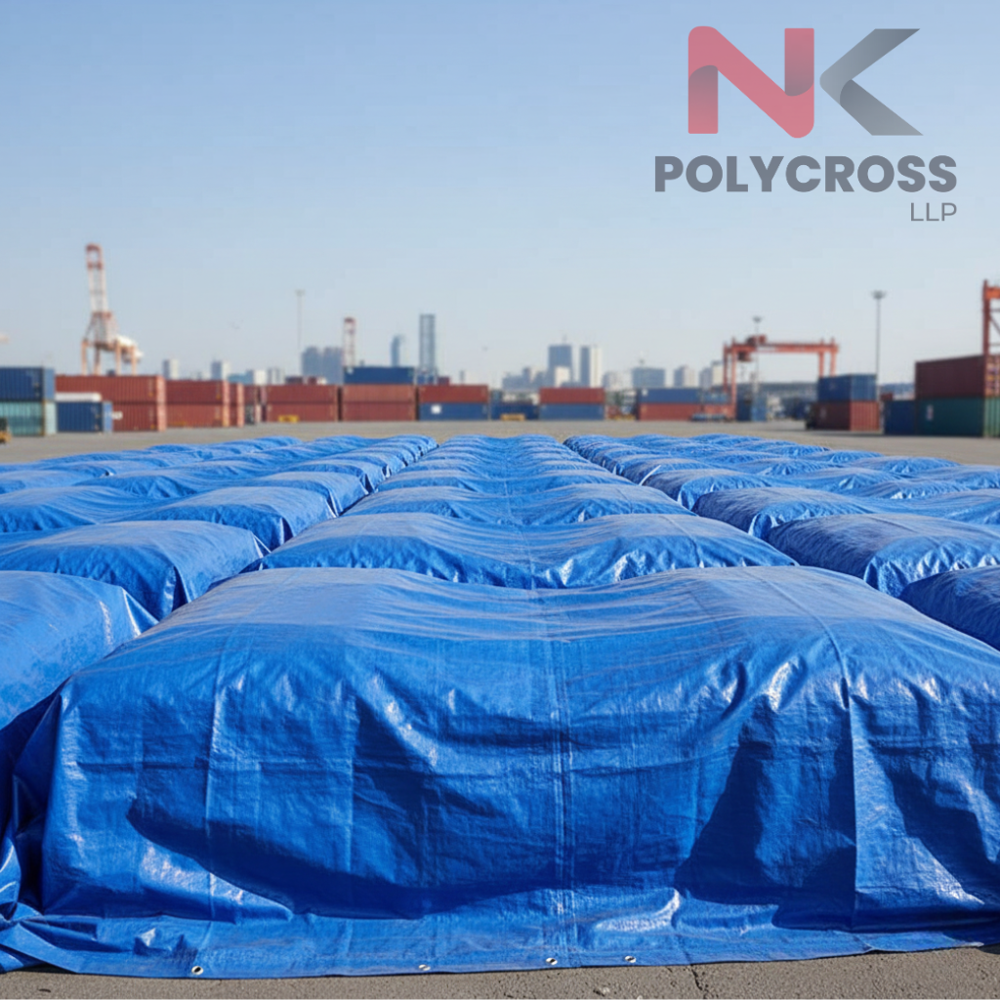
- Heavy Duty Tarpaulin Construction & Infrastructure Covers Agriculture & Farm Protection Warehouse & Storage Covers Industrial Packaging Truck & Container Covers Export & Marine Use
- Color
- BLUE,YELLOW,NATURAL,GREEN,BLACK/SILVER
- Usage & Applications
- Heavy Duty Tarpaulin Construction & Infrastructure Covers Agriculture & Farm Protection Warehouse & Storage Covers Industrial Packaging Truck & Container Covers Export & Marine Use
- Material
- Cross Laminated
- GSM
- 90/120/150/20090/120/150/200
- Width
- as per requirement Foot (ft)
- Tent Style
- Other
- Technique
- Laminated
- Layer
- Triple
- Pole Material
- Other
- Usage
- Other
- Size
- as per requirement
- Design Type
- Standard
Cross Laminated Technology Trade Information
- Minimum Order Quantity
- 500 Kilograms
- FOB Port
- mundra
- Payment Terms
- Cash Advance (CA), Cash in Advance (CID)
- Supply Ability
- 500000 Kilograms Per Month
- Delivery Time
- 12 Days
- Sample Available
- No
- Sample Policy
- Contact us for information regarding our sample policy
- Packaging Details
- STANDARD BAG
- Main Export Market(s)
- Asia, Australia, Central America, North America, South America, Eastern Europe, Western Europe, Middle East, Africa
- Main Domestic Market
- All India
- Certifications
- ISO/IEC
Cross Laminated Technology About
Cross Laminated Technology Details (Trade India Listing Style)
Product / Technology Name: Cross Laminated Technology
Application: Tarpaulin & Polymer Sheet Manufacturing
Business Type: Manufacturer | Supplier | Exporter
Country of Origin: Made in India
Description:
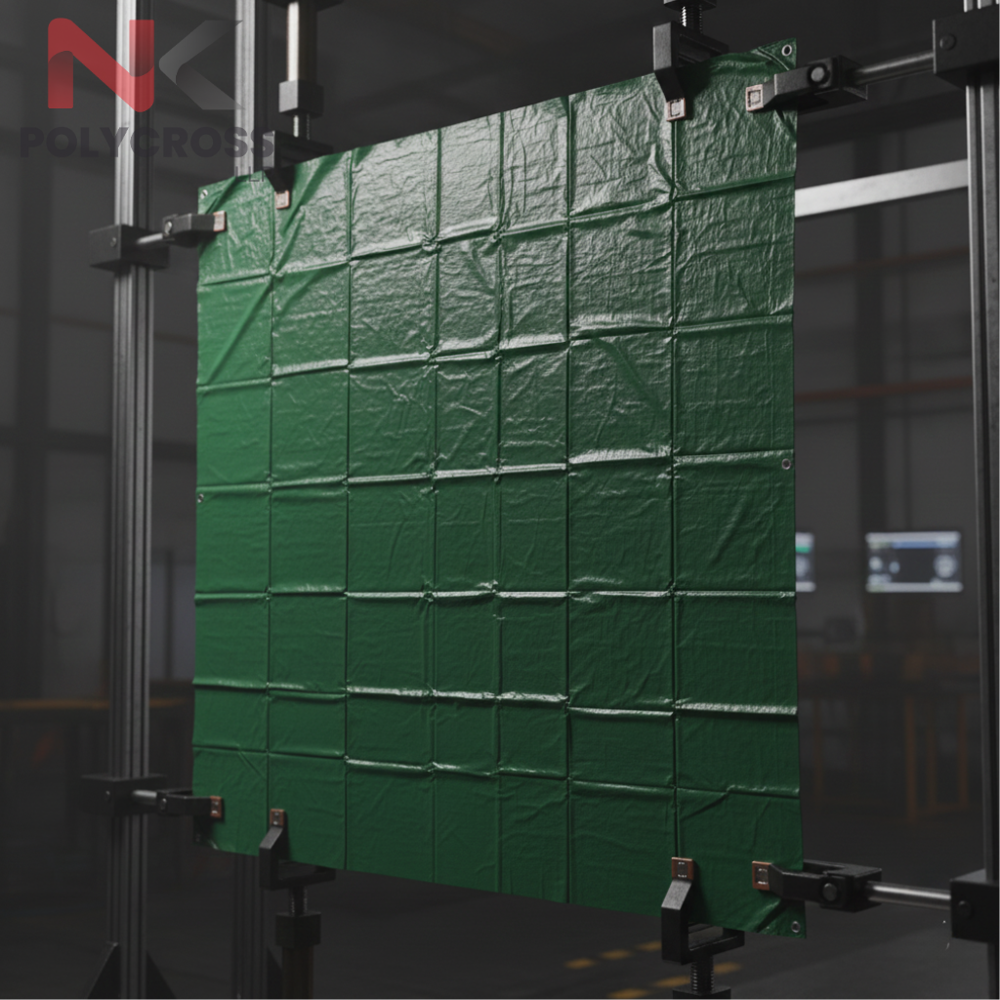
Cross Laminated Technology is an advanced manufacturing process used to produce high-strength polyethylene tarpaulins and polymer sheets. In this process, multiple layers of stretched poly films are laminated in opposite directions (cross pattern), resulting in superior multi-directional tensile strength, enhanced tear resistance, and long-lasting durability compared to ordinary laminated sheets.
This technology ensures uniform GSM, improved load-bearing capacity, and excellent performance under extreme weather conditions.
Material Used:
-
HDPE / LDPE / LLDPE
-
Multi-layer Cross Laminated Poly Film
-
UV Stabilized Additives
GSM Range:
-
70 GSM to 300 GSM
Key Advantages:
-
Multi-Directional Tensile Strength
-
Very High Tear & Puncture Resistance
-
100% Waterproof
-
UV & Weather Resistant
-
Wind Resistant
-
Longer Service Life
-
Better Strength-to-Weight Ratio
-
Uniform Thickness & GSM
Manufacturing Features:
-
Advanced Lamination Lines
-
Heat Sealed Reinforced Edges
-
Consistent Quality Control
-
Customizable Size & GSM
Applications:
-
Heavy Duty Tarpaulin
-
Construction & Infrastructure Covers
-
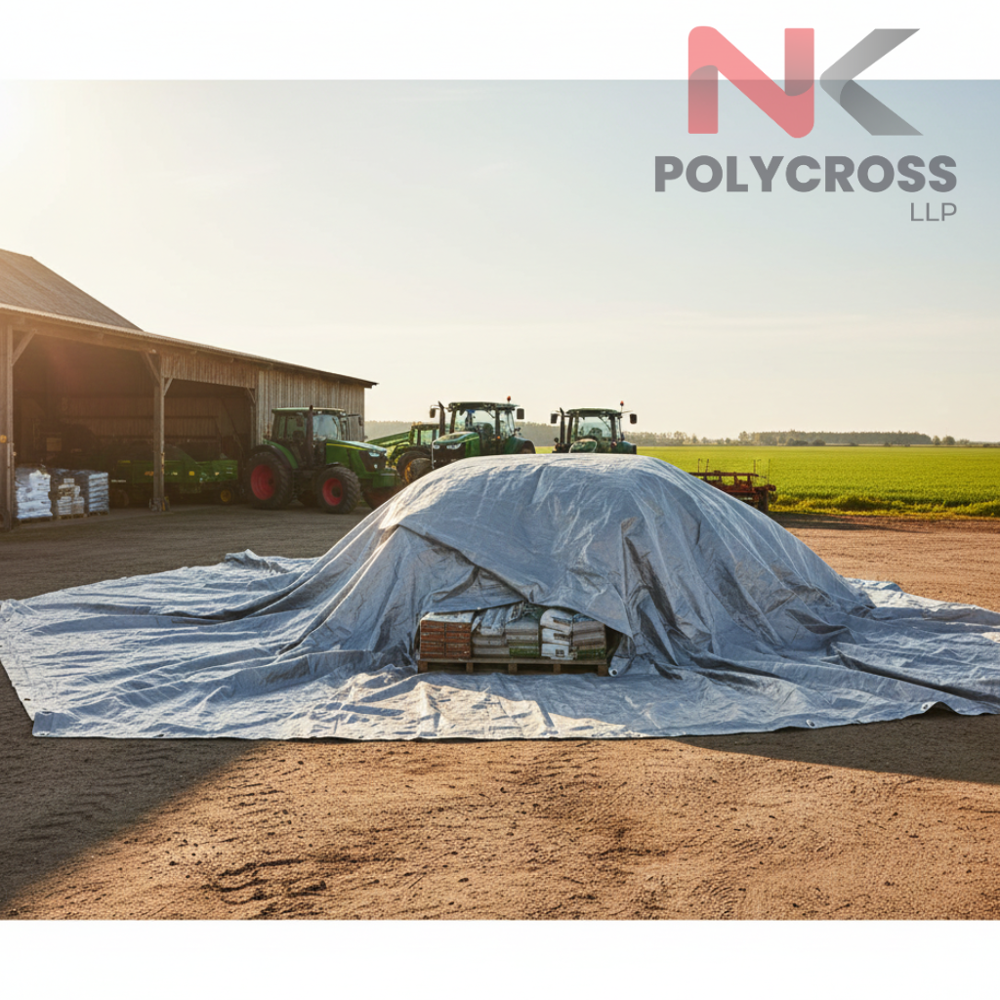
Agriculture & Farm Protection
-
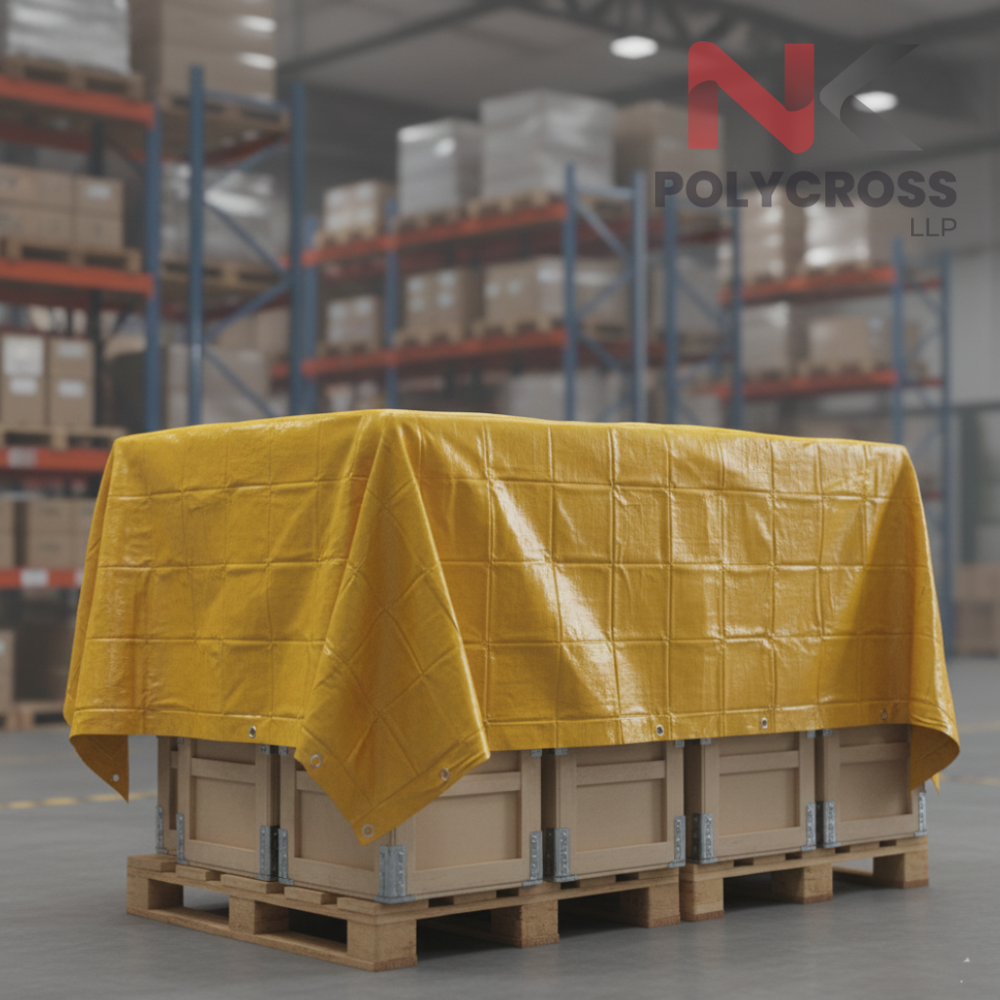
Warehouse & Storage Covers
-
Industrial Packaging
-
Truck & Container Covers
-
Export & Marine Use
Why Choose Cross Laminated Technology:
-
Stronger than Standard Laminated Sheets
-
Suitable for Heavy-Duty Applications
-
Cost-Effective Long-Term Solution
-
Reliable Performance in Harsh Conditions
Exceptional Strength & Versatility
The triple-layer cross laminated polyester design ensures unmatched durability while remaining lightweight and flexible. Its structure resists tearing, making it suitable for tough applications such as construction covers, truck tarps, warehouse protection, and industrial packaging. Each product can be customized in terms of size and thickness to meet unique requirements.
Advanced Laminated Protection
Leveraging modern lamination techniques, these tarpaulins are waterproof, UV-resistant, and weatherproof. The color options and dual-color varieties, such as black/silver, add both functionality and visual appeal, ensuring suitability for indoor or outdoor use in challenging environments.
FAQ's of Cross Laminated Technology:
Q: How is cross laminated tarpaulin manufactured?
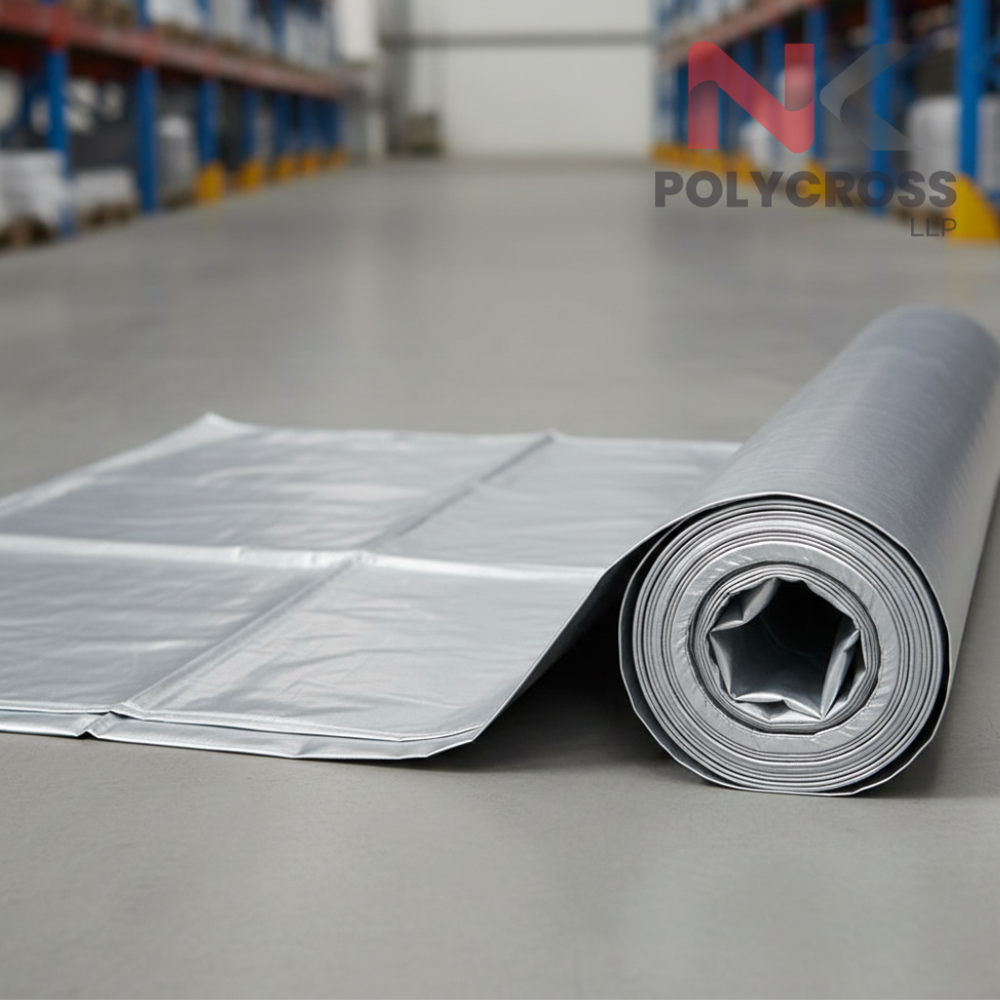
A: Cross laminated tarpaulin is produced by bonding layers of high-strength polyester film in a cross-patterned orientation, then laminating them together to create a durable, tear-resistant fabric. This process ensures the material maintains its strength and structural integrity even under heavy loads and harsh conditions.Q: What applications are suitable for using triple-layer cross laminated tarpaulin?
A: These tarpaulins are ideal for a variety of applications, including heavy duty tarpaulin use, construction and infrastructure covers, agricultural and farm protection, warehouse and storage covers, industrial packaging, truck and container coverings, as well as export and marine transportation.Q: When should I choose a higher GSM rating for my tarpaulin?
A: A higher GSM, such as 150 or 200, is recommended when you require enhanced resistance to punctures, abrasions, and weather exposure. It is especially beneficial in harsh outdoor conditions or when the cover is subjected to frequent handling and heavy weights.Q: Where can customized cross laminated tarpaulins be supplied from?
A: These tarpaulins are manufactured, exported, and supplied from India. Orders can be tailored to specific size and thickness requirements, ensuring you receive products that precisely fit your project or usage needs.Q: What are the benefits of using a triple-layered cross laminated tarpaulin over standard covers?
A: Triple-layered cross laminated tarpaulins offer superior strength, longevity, and flexibility compared to traditional tarps. Their advanced construction makes them more resistant to tearing, stretching, and environmental damage, providing longer-lasting, cost-effective protection.Q: How does the choice of color impact the functionality of the tarpaulin?
A: Colors such as black/silver can aid in heat reflection or UV protection. The selection of color can serve aesthetic preferences, improve visibility, or be aligned with specific identification and safety requirements for various applications.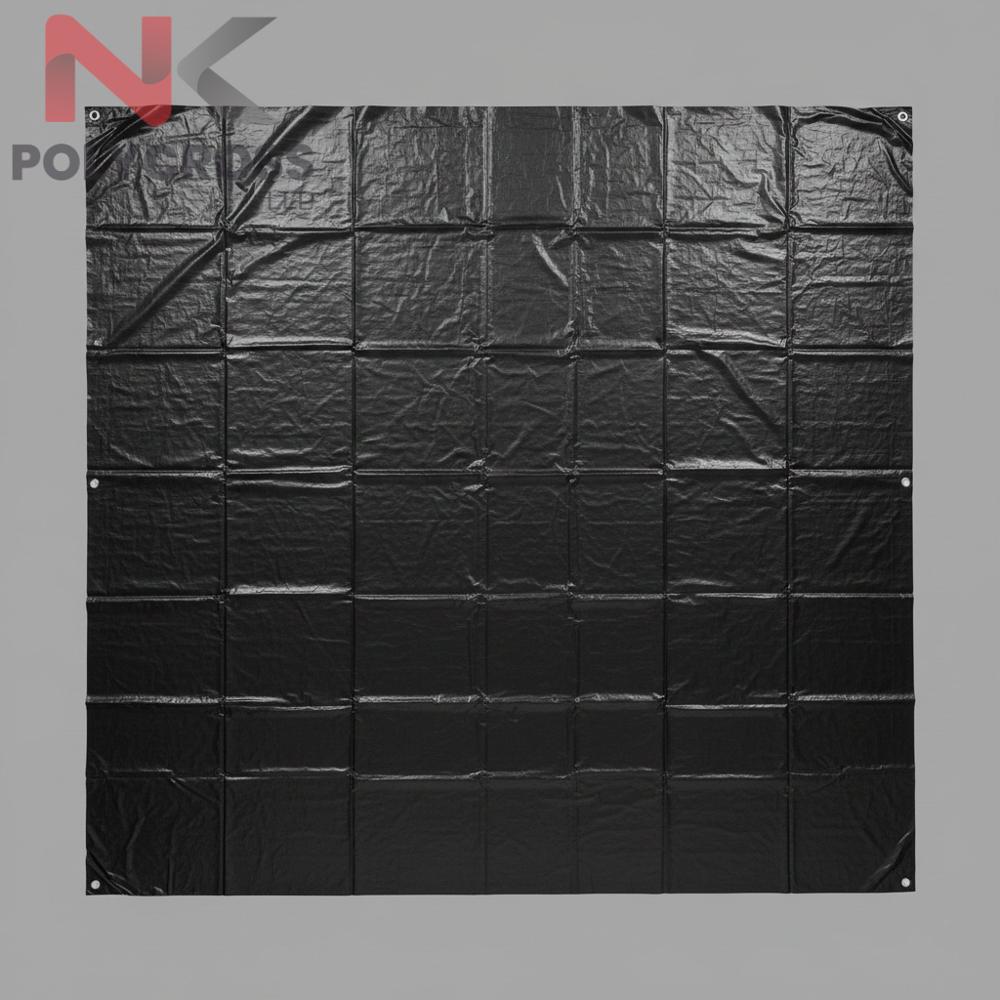
Tell us about your requirement

Price:
Quantity
Select Unit
- 50
- 100
- 200
- 250
- 500
- 1000+
Additional detail
Mobile number
Email

More Products in Multilayer Cross Laminated Tarpaulin And Cover Category
Multilayer Tarpaulin Shop
Price 250.0 INR / Kilograms
Minimum Order Quantity : 500 Kilograms
Size : as per requirement
Design Type : Standard
Material : Cross Laminated
Usage : Other
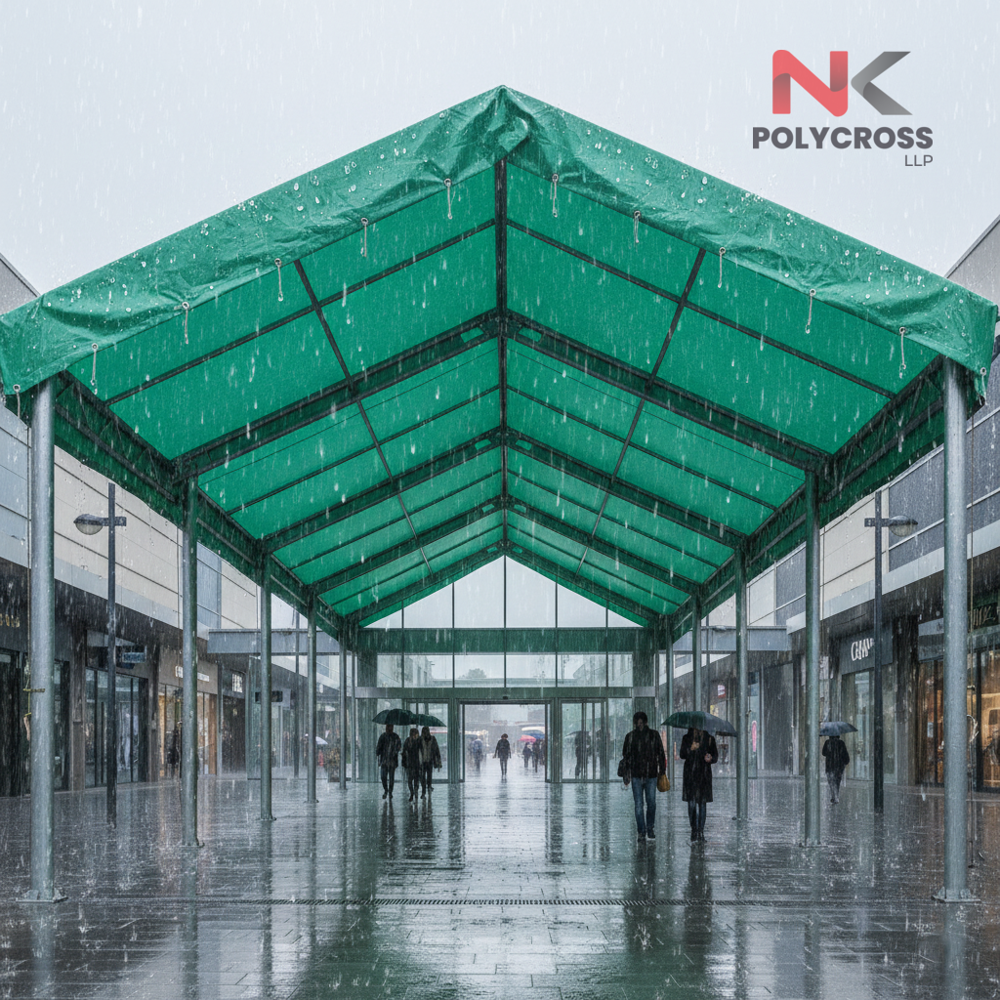
Shopping Centre Tarpaulin
Price 250.0 INR / Kilograms
Minimum Order Quantity : 500 Kilograms
Size : as per requirement
Design Type : Standard
Material : Cross Laminated
Usage : Other
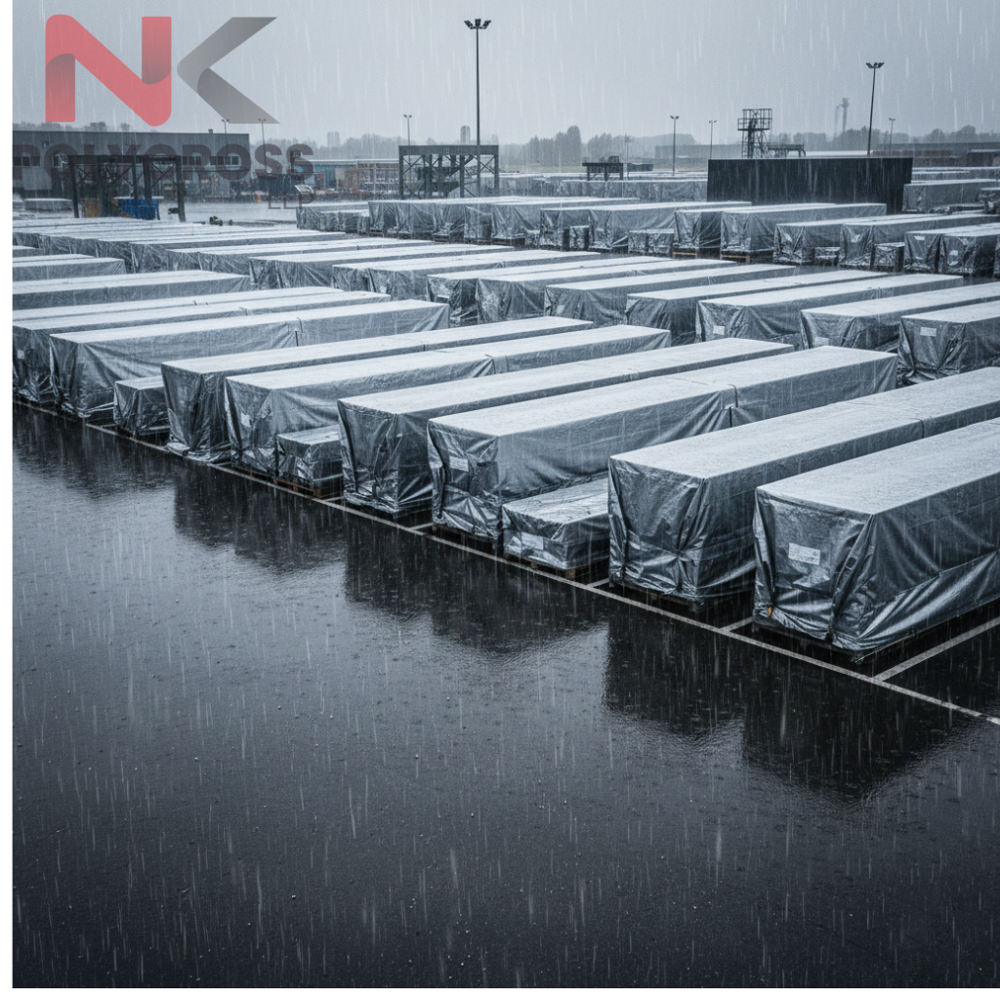
Tarpaulin for Europe
Price 250.0 INR / Kilograms
Minimum Order Quantity : 500 Kilograms
Size : as per requirement
Design Type : Standard
Material : Cross Laminated
Usage : Other
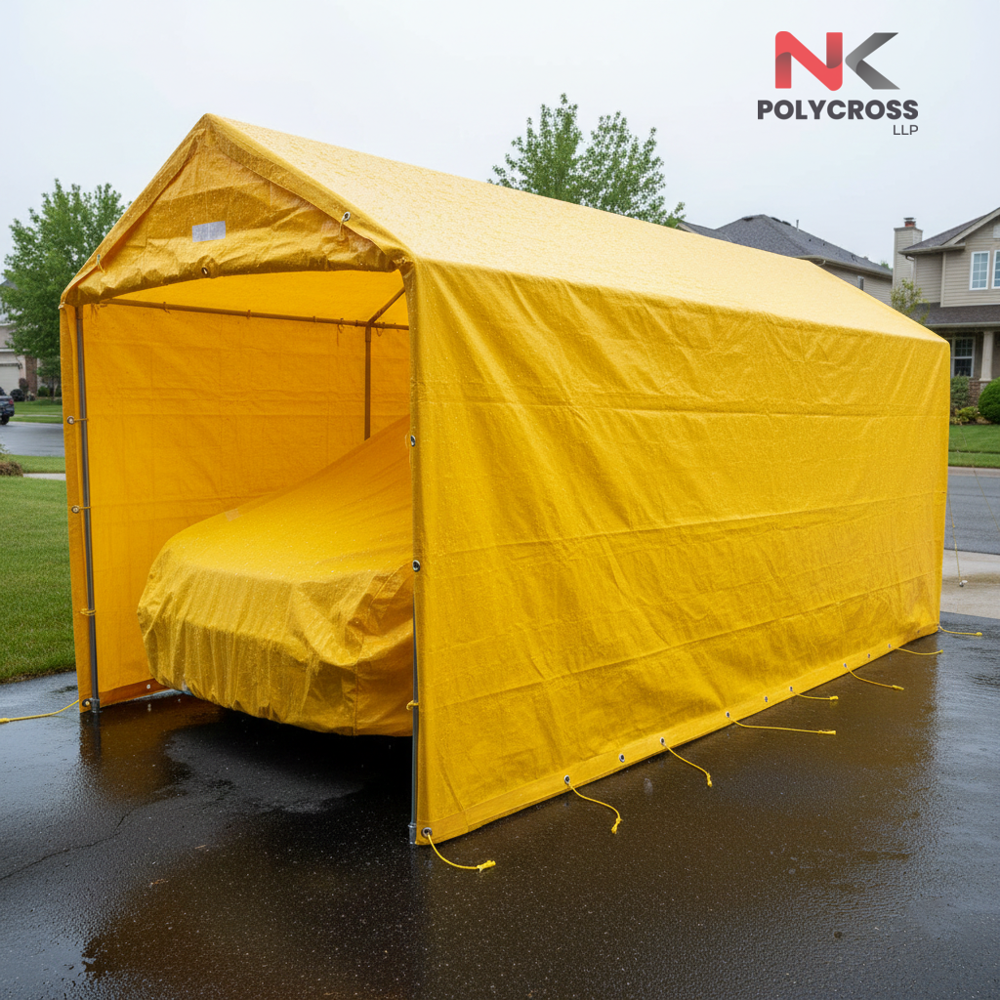
Car Parking Tarpaulin
Price 250.0 INR / Kilograms
Minimum Order Quantity : 500 Kilograms
Size : as per requirement
Design Type : Standard
Material : Cross Laminated
Usage : Other

 Send Inquiry
Our Products


Plot B Survey No 374, Near Ramdev Food, Rupal Road, Zekda, Bavla,Ahmedabad - 382220, Gujarat, India

Mr Dilip Patel
(Partner)
Mobile :07971258306
 Send Inquiry
 Send SMS

Developed and Managed by Infocom Network Private Limited.
 English
 Spanish
 French
 German
 Italian
 Chinese (Simplified)
 Japanese
 Korean
 Arabic
 Portuguese
